He sits quietly at first, hands resting on his knees, eyes moving around the room as if measuring the space. When he finally looks up and smiles, I notice a small gap where a front tooth should be. It isn’t dramatic. It doesn’t interrupt the smile. If anything, it makes it softer. I register it, then let it pass, not yet knowing the story it carries.
Before anything else, we talk about consent, about anonymity, about choice. He wants to be called A. He does not want his full name attached to the story. In that decision alone, there is already a history.
This project is not an interrogation. It is an invitation to speak and to be seen. It is a place to leave a trace that is not made of paperwork or case numbers, but of human presence.
When he begins to talk, his voice is gentle. Careful. Not because he has nothing to say, but because he has learned what it means to carry things quietly.
His days are simple now. He wakes early, sometimes before sunrise. The routine rarely changes: tea first, then bread. He tells me he likes football and cycling. Sometimes five kilometers. Sometimes ten. “Sometimes more,” he says with the same smile I noticed earlier. He cooks food that reminds him of home (rich soups, rice, meals that smell like memory). These details may seem small, but they are not. They are how life rebuilds itself after departure.
Right now, he is waiting. Waiting for permission to work. Waiting for documents. Waiting for stability. Waiting, again. When he talks about work, his face changes. He does not speak only of money. He speaks of dignity. Of movement. Of feeling useful. Back home, he organised events. He created spaces for people to gather, to celebrate, to belong. Now he wants to do that again. this is not only for himself, but mostly for others.
The journey here does not arrive easily in words.
When he speaks about the sea, the room feels quieter. He left North Africa on a boat. He remembers confusion. Fear. Not believing he would survive. Terrified. He tells me that people die there. This is not as abstract ideas about migration or new beginnings, not as headlines, but as real bodies, real names, real futures. People that just like you are there at the bottom of the Mediterranean
The sentence stops mid-thought. We pause. I don’t rush him. Not to increase pressure, but to leave space for breath. I ask gently if he would like to move on. Instead, he continues.
Someone he met along the way, someone he had begun to think of as a friend, did not make it.
When rescue came, he did not feel relief right away. He had passed out. The memory is fragmented. He only knows that when the rescue boat arrived, everything happened very fast. Survival felt unreal because it arrived unexpectedly. He thanked God that he was alive. But faith, for him, has never been simple.
Later in the conversation, when we speak about why he left home, he pauses again. Then he lifts his hand and gently points to his smile.
“This,” he says quietly.
He tells me he was beaten because of who he is. Because of how he exists in the world. That is when he lost the tooth I noticed earlier. Not from an accident, not from time, but from violence. The room shifts. The smile I first read as warmth now carries another layer: endurance.
Where he comes from, belief and identity were tightly bound to control. Because of who he is, people told him he was evil. They told him he was wrong for existing. He stopped going to church. He learned how to become smaller, quieter, safer. He learned what it means to be watched.
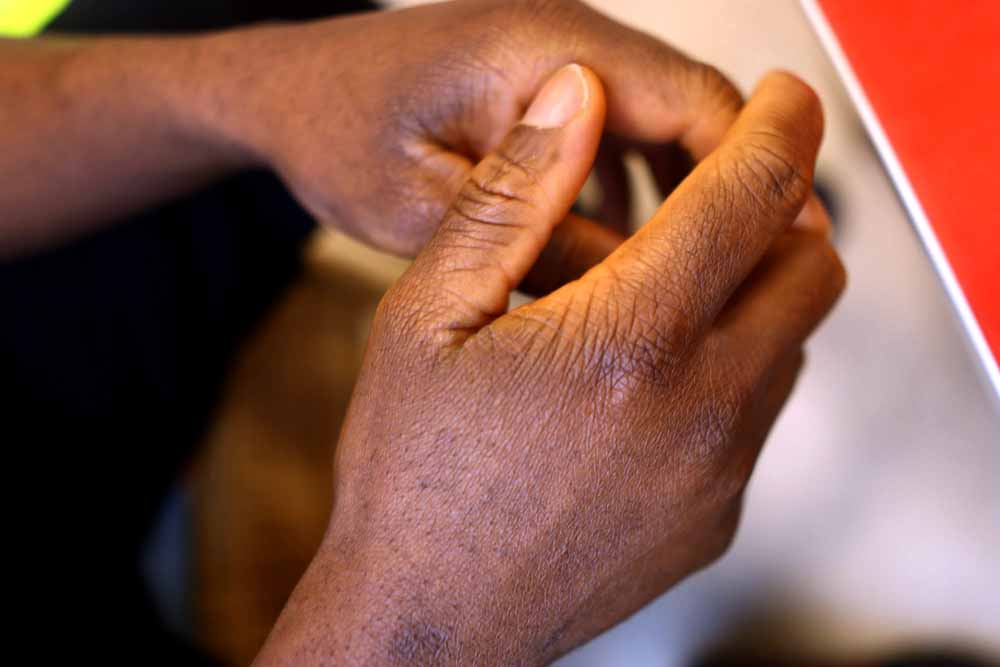
Here, in Europe, something changed.
The first moment he remembers feeling truly happy was not spectacular. It was waking up and realising two things at once: that he was alive, and that no one was coming to punish him for being himself. Freedom did not arrive like fireworks on New Year’s Eve. It arrived quietly.
Before the Netherlands, he stayed in Belgium. Housing was difficult. As a single person, he struggled to find stability. There were nights outside. Cold nights. The kind of cold that doesn’t just touch your skin. It’s the kind that settles into your thoughts and slowly erodes your soul.
When he arrived in the Netherlands, he felt a shift. People were kinder. Systems felt more humane. He says it plainly, without hesitation: “This feels like home.”
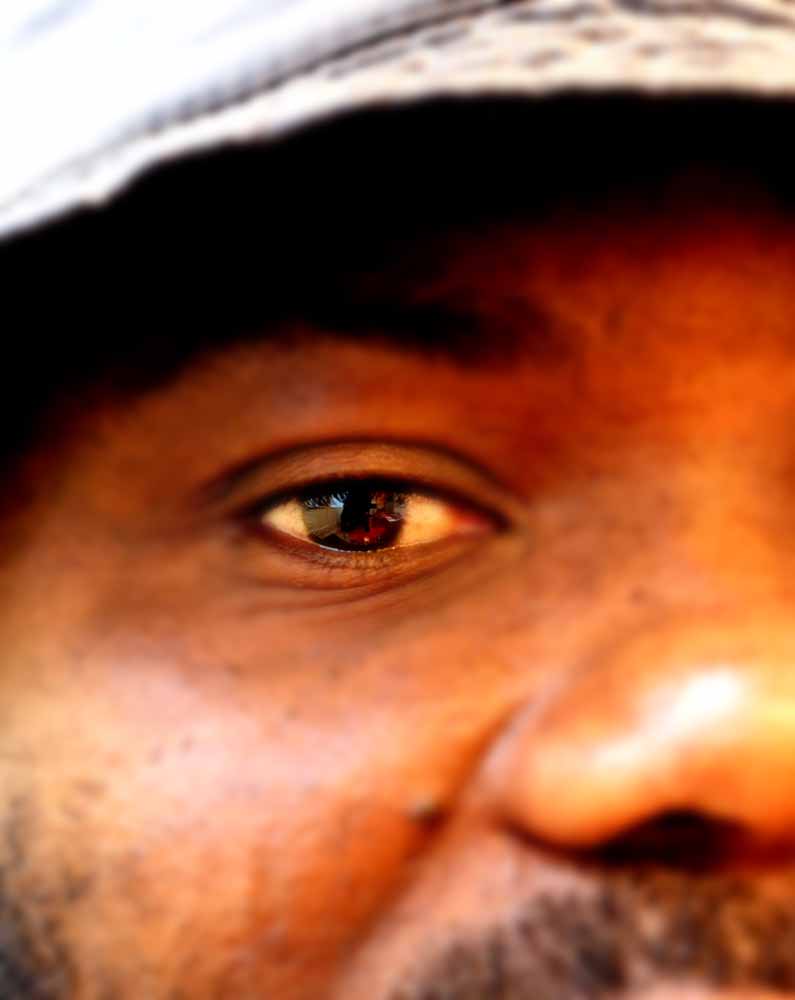
Not because it is perfect. But because he is allowed to breathe.
He talks about the Dutch language with affection. He calls it “sweet.” He wants to learn it. This is not only to work, but to belong. Language, for him, is not just communication. It is entry. It is permission to participate in daily life instead of watching it from the edges.
I then ask about friends, he corrects me gently. “I don’t have friends,” he says. “I have family.” He is part of an LGBTQ+ support group now. They meet regularly. They talk about life. About survival. About how to carry the weight of waiting. He serves as a coordinator, a role he wears with pride. People come to him when they are struggling. When their minds feel heavy. When they need help finding support.
To be trusted matters to him. To be useful matters. to contribute to society matters and having job does this. It is a quiet resistance against the feeling of being disposable.
When I ask what he will do with his first paycheck, he smiles again.
He wants good sneakers. He wants to look good. Not for anyone else, for himself. He says he is learning to love himself more. It is not a dramatic declaration. It is steady. Earnest. Like someone slowly rebuilding a relationship with his own reflection.
He dreams about travel too. Paris. Other cities. Places you go because you want to, not because you are running. Movement without fear. Borders that open instead of close. And simply meeting new people.
At the end of our conversation, I ask what the best part of his day has been.
He does not hesitate.
“This,” he says. Talking. Meeting someone new. Being seen. Being listened to.
Then he thanks me. It catches me off guard. These interviews demand presence, not only listening, but holding space while trying to document a story responsibly is a skill I’m far from mastering.
And in that moment, the purpose of this work becomes clear. Not to extract stories. Not to collect trauma. But to sit with people in the space between what they survived and what they are becoming.
Today, I did not speak only with a migrant.
Not with a case file.
Not with a statistic.
I spoke with a man rebuilding a life. His life, one morning tea, one bicycle ride, one small act of self-care at a time.
Between water and home, he is learning how to stand on his own two feet again.