This work is part of our 2026 collaborative arts project: Lessons From Departure
If you are not familiar with the wider context of this project, we recommend reading the main project overview here: [Lessons From Departure] and then reading about the individual’s journey [here].
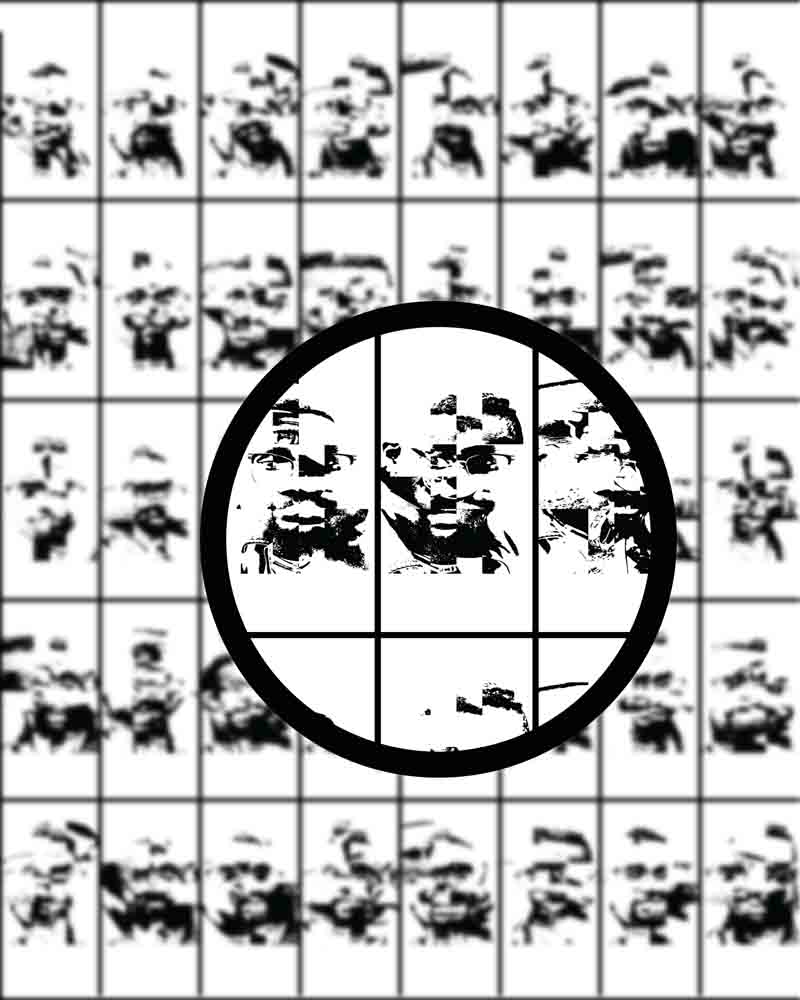
Learning to Call a Place “Home” Again: Fragmented Journey
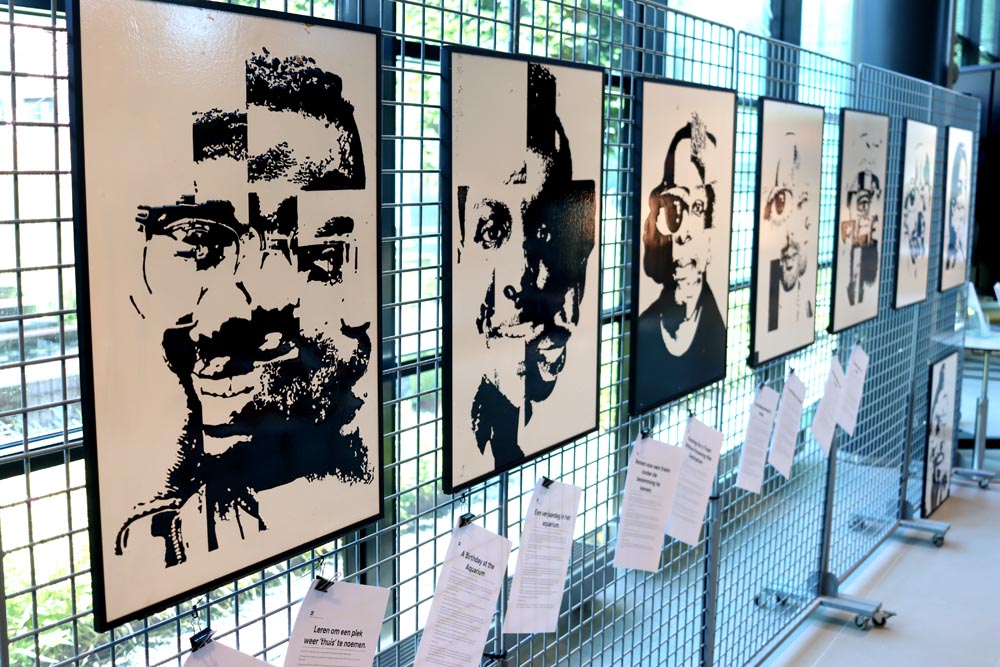
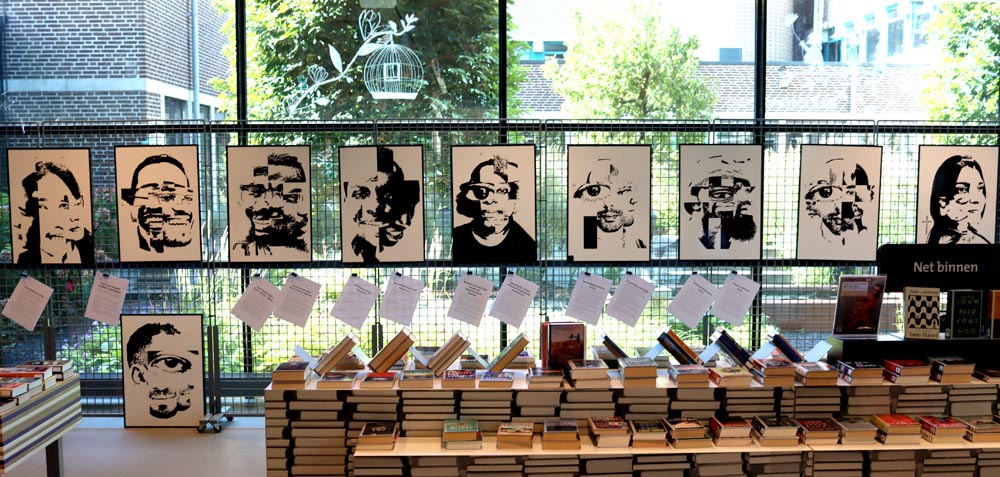
Sat at the intersection of two ongoing projects: Lessons From Departure and Faces Deconstructed. this work brings together documentary material and experimental portraiture, using fragmentation as a way to question how migration, identity, and displacement are visually and culturally understood.
In public discourse, refugees and asylum seekers are often spoken about as a single collective identity. They are reduced to categories, numbers, or headlines. The result in that the individuality of each person becomes blurred. By fragmenting and reconstructing faces sourced from Lessons From Departure, this work responds to that flattening of identity. One face becomes many faces. One person becomes visually multiplied. The fragmentation reflects how individuality is often lost within systems of classification and representation.
The visual language also mirrors the reality of migration itself. From a European perspective, these journeys are often simplified into a single narrative: someone moved from one country to another. In reality, the process is rarely linear. It is made up of multiple departures, prolonged waiting, repeated beginnings, and unfinished chapters. The reconstructed portraits become patchworks. On the surface they are incomplete, layered, and some what unresolved. Thus echoing the fragmented nature of these lived experiences.
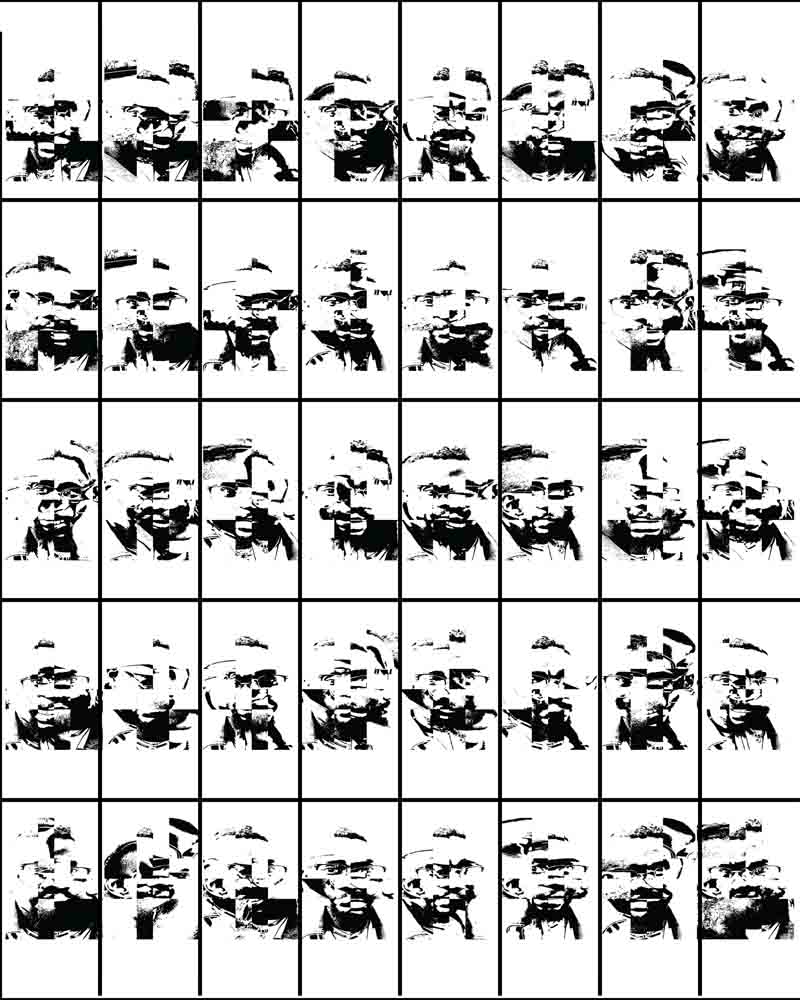
Rather than presenting clear documentary portraits, this work intentionally resists full recognition. The images sit in an uneasy space between familiarity and distortion. You recognise a face, but cannot fully place it. This distance is deliberate. It avoids turning individuals into spectacles or symbols, and instead creates a shared emotional tension . A visual pause that asks the viewer to sit with uncertainty rather than consume a story quickly.
By merging these two projects, the work shifts away from literal representation and towards emotional truth. It becomes less about depicting specific individuals and more about exposing how we collectively see, categorise, and interpret displaced identities. Fragmentation here is not destruction, it is instead a method of revealing complexity.
Ultimately, this project asks viewers to reconsider how easily we accept simplified narratives of movement, identity, and belonging. In a world that constantly compresses human experience into digestible formats, these fractured portraits insist on difficulty, slowness, and unresolved meaning.
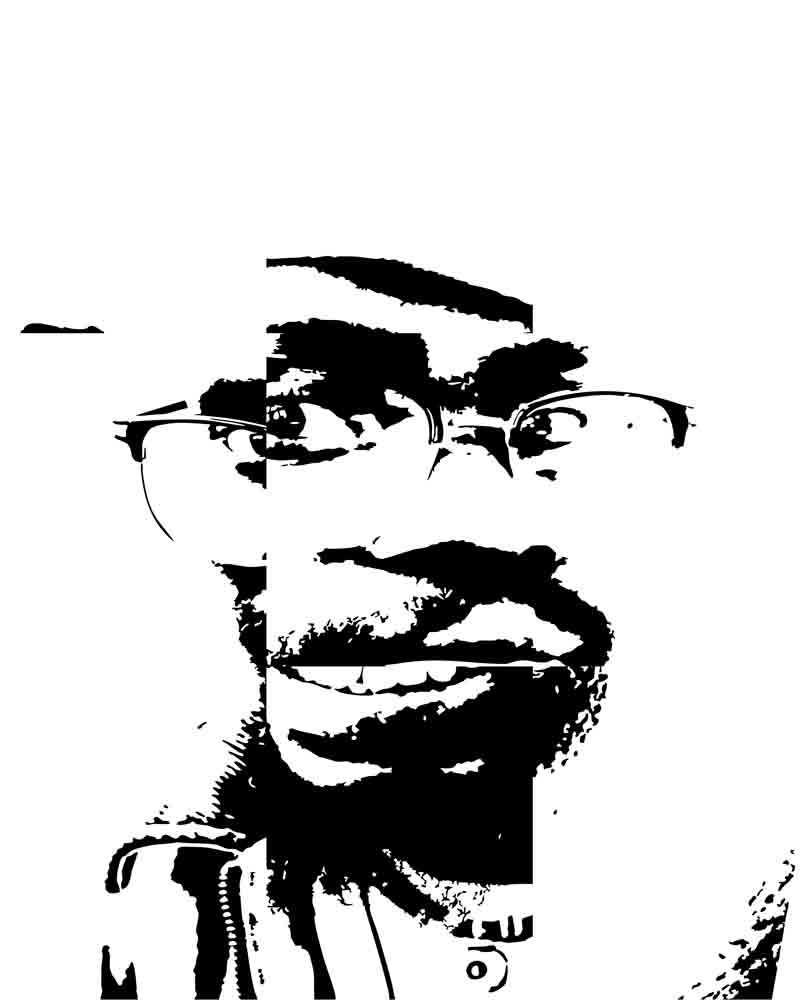
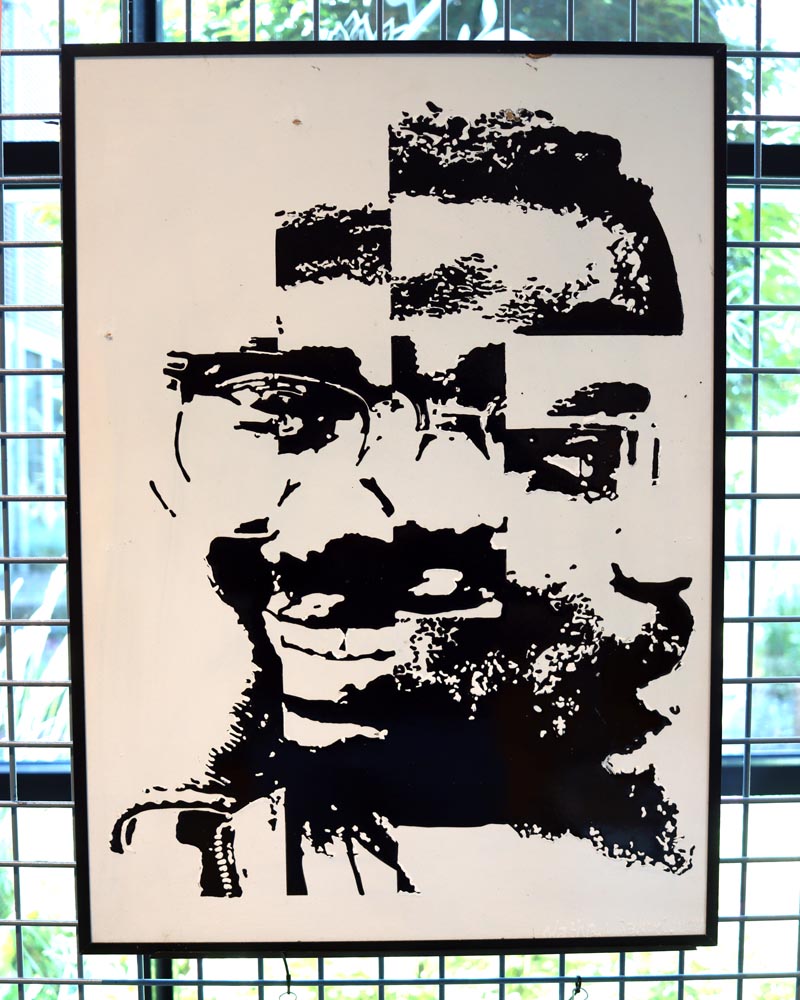
The next stage in the studio is for us to select and then develop one image from the preparatory works (above) into a single, resolved portrait. This final piece will become part of the broader Lessons From Departure collection, which you can read more about here: [Lessons From Departure]
Where Next?