The Bag in the Studio
In a community studio in a Dutch city, a man sits at a sewing machine, turning fabric into bags.
Some are simple. Some are stronger. Some can be turned inside out and used in two ways. He thinks about the person who might buy them. He thinks about price. He wants the bags to be useful, but also reachable. “I make a bag for everybody to afford,” he says.
He does not have his own sewing machine, so he uses one in the community center. When a bag sells, part of the money goes back to the place that gives him room to create. To him, that is fair. The machine helps him, and he wants to contribute.
That detail matters. His life in the Netherlands is shaped by limits: no residence permit, no easy route into regular work, no certainty about the future. But in the studio, he is not only a person waiting for decisions. He is a maker. He is someone with skill in his hands.
He grew up in West Africa. His childhood changed when his mother died. After that, life became harder. School stopped. Choices narrowed. Instead of continuing his education, he worked. He remembers wanting opportunities that did not come.
But sewing stayed with him.
As a young boy, he would go to sewing studios and watch people work. He was fascinated by the machine, by the way fabric could become something useful. The first time he used a sewing machine, it was a pedal machine, worked by the feet. He remembers stitching something small together and feeling the excitement of discovery. It was the feeling of understanding: this is how you do it.
Years later, that feeling is still there.
Sewing is not just a way to pass time. It is memory, skill, discipline, and hope. It is one of the few things in his life that has remained his own.
As a teenager, he began to think about leaving home. He wanted peace of mind. He wanted a life where he would not be forced into things he did not choose. Leaving was not an adventure. It was a risk. He describes it as a sacrifice.
His journey took him across borders, through West Africa, North Africa, and southern Europe, before he arrived in the Netherlands. Along the way, there was danger, racism, and uncertainty. In Europe, the hope of safety became tangled in procedures, waiting, interviews, transfers, and decisions made in rooms where he often felt he had little control.
At one point, he was held in immigration detention. The official word for the place was softer than the reality he remembers. To him, it was not simply a center. It was confinement.
“They call it a center,” he says, “but there’s no freedom.”
He remembers being locked inside, allowed outside only briefly, watched, and then returned again. What stayed with him was the feeling that his life could be moved, paused, or contained by a system that did not really see him.
After a negative decision, he had to leave the place where he had been staying. Then came another kind of hardship: having nowhere to go. For a time, he slept outside. When people talk about sleeping outdoors as travel or adventure, he understands the difference very clearly. For him, it was not a choice. It was the absence of options.
That difference runs through his story: choice, and the lack of it.
Today, he has a place to sleep, though he does not describe it as fully feeling like home. He is grateful, but gratitude is not the same as belonging. Home, in his story, is more than shelter. It is safety. It is family. It is the freedom to build something that can last.
Through community support and learning spaces, he has found access to tools, lessons, people, and a place to keep making things. He volunteers. He studies. He sews. He keeps moving, even when the system around him keeps him still.
His dream is simple and serious. He wants his own sewing machine, one strong enough to stitch leather as well as ordinary fabric. He wants to make bags and clothes for men and women. He wants to sell them, maybe one day beyond the city where he lives. He wants papers, a home, a family, and health.
These are not extraordinary wishes. They are ordinary human ones.
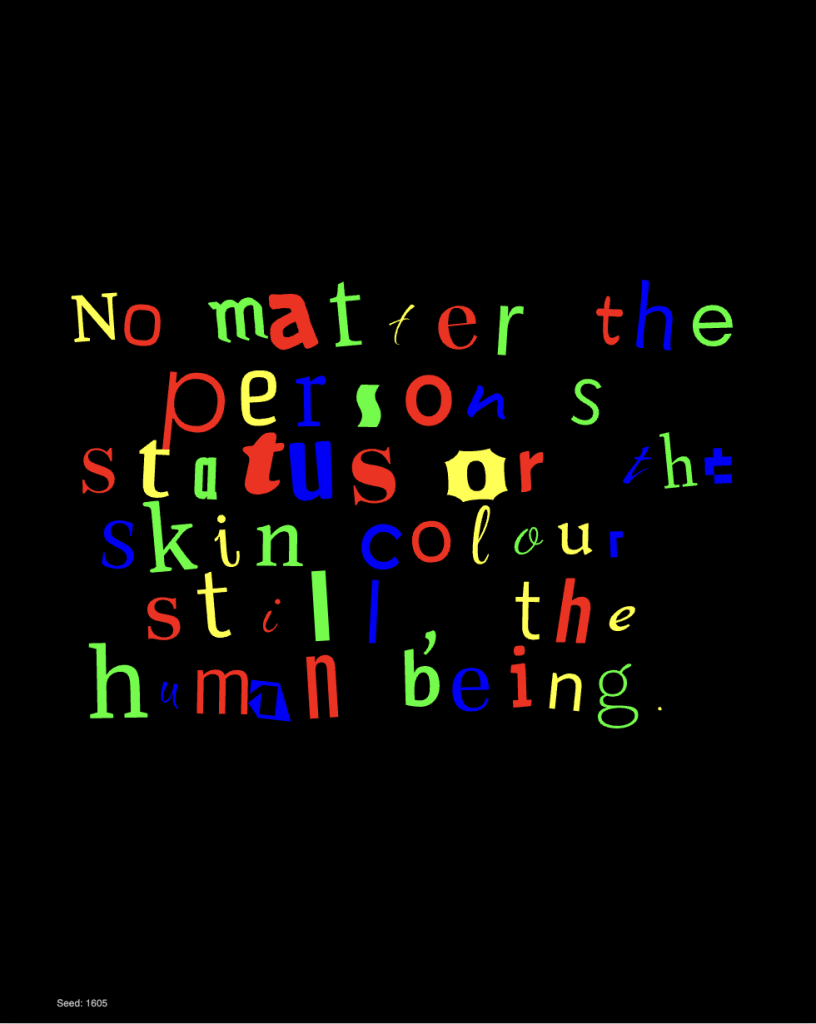
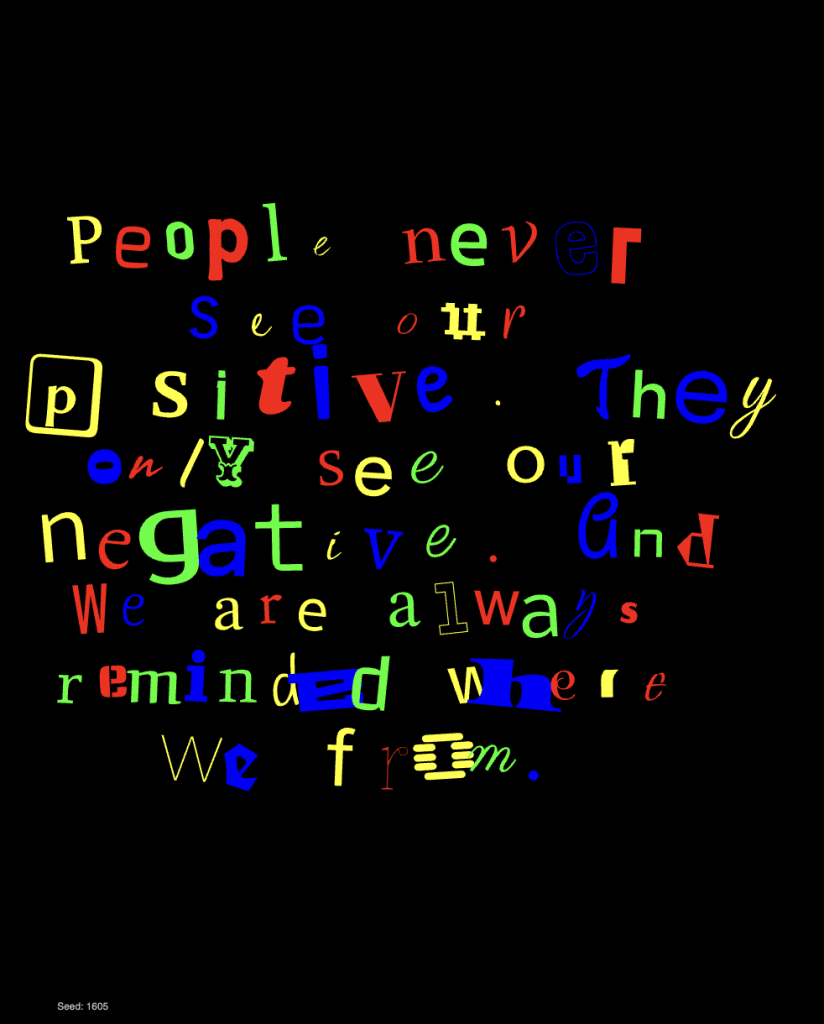
What hurts him is being seen only through what he does not have: no permit, no papers, no status. He feels that people often look first at the negative. They see a problem before they see a person.
“People never see our positive,” he says.
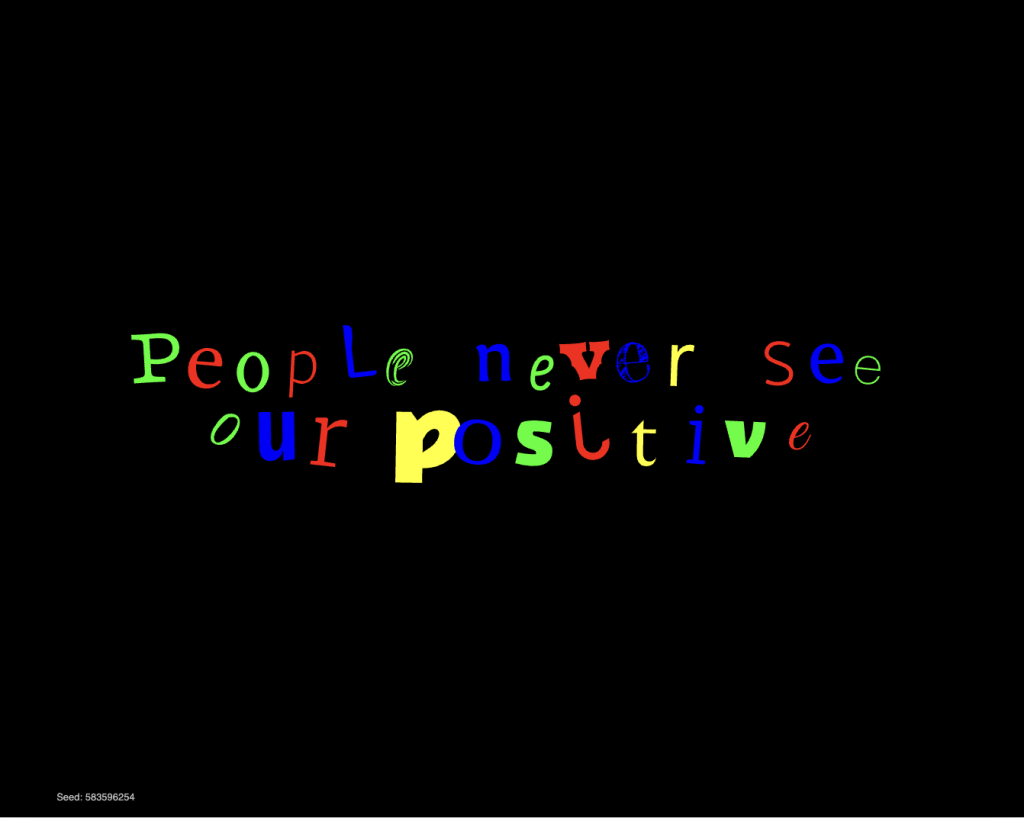
But in the studio, the positive is visible. It is in the fabric. In the careful stitching. In the bags waiting for someone to notice them. In the part of each sale that goes back to the community. In the fact that even while living outside the system, he is still trying to support the world around him.
His story is not only about migration. It is about blocked potential. About the distance between what a person can give and what society allows them to give.
He does not ask to be seen as perfect. He asks to be seen as human: a maker, a neighbor, someone with skills, hopes, and a future he still wants to build.
He believes that when people have access to do the things they want to do, they can make something out of it.
In his hands, that something begins with a bag.