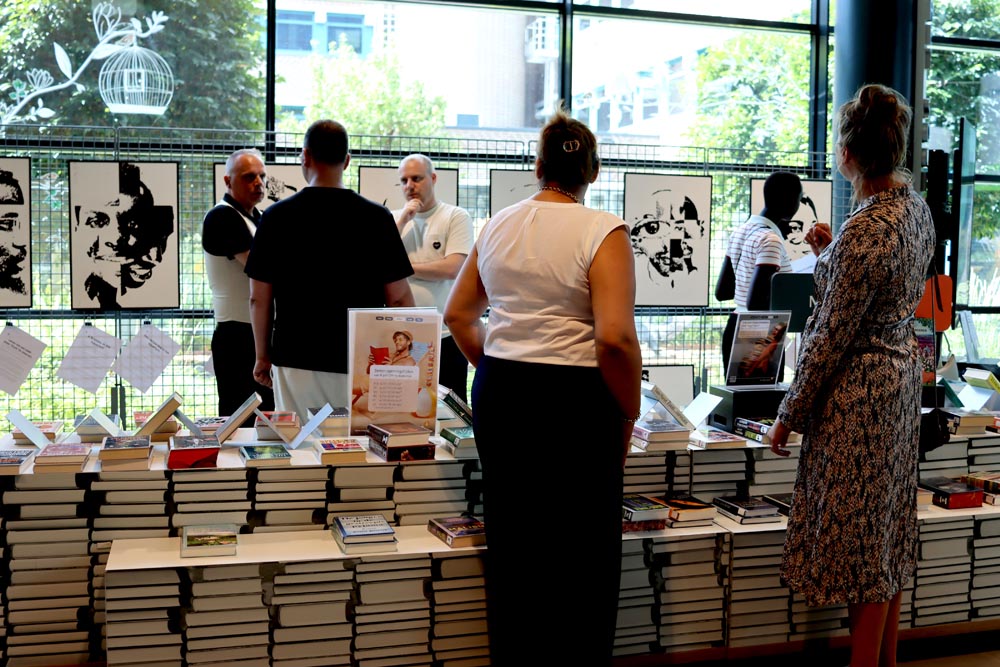
The exhibition launched on Friday, July 31 at 3:00 PM at the Kennemerwaard Library, Heerhugowaard branch, at Parelhof 1A.





Departure: Shattered World
After Arrival: Portraits of Unfinished Belonging
Jul 31, 2026
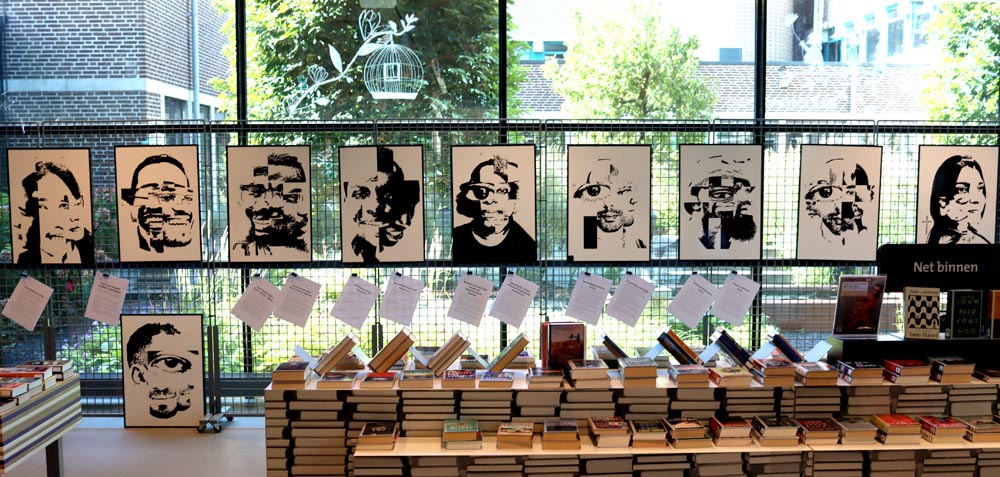
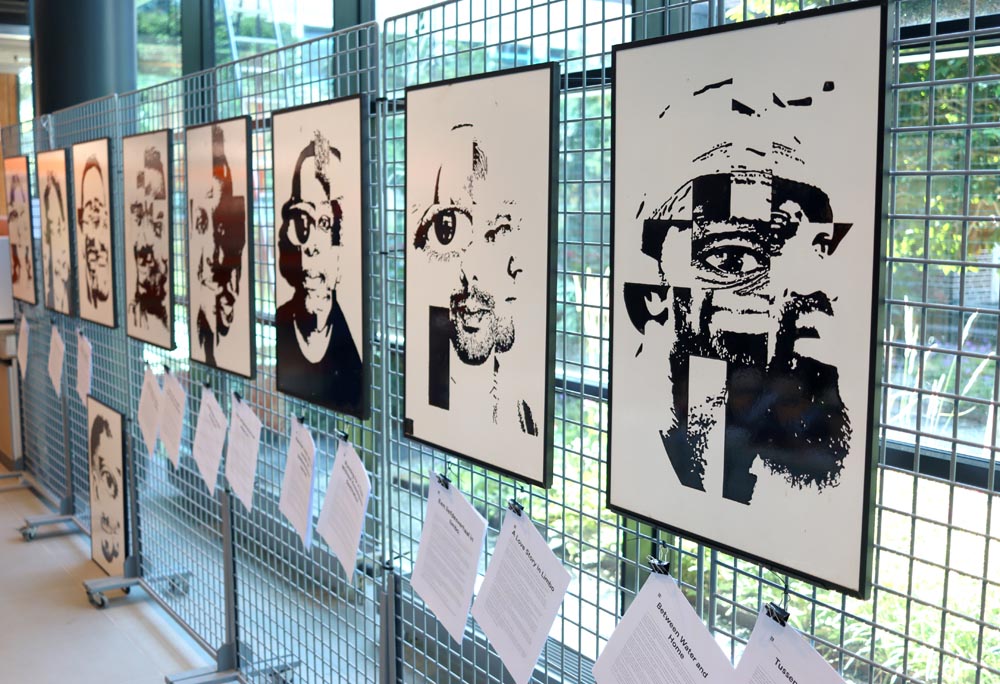
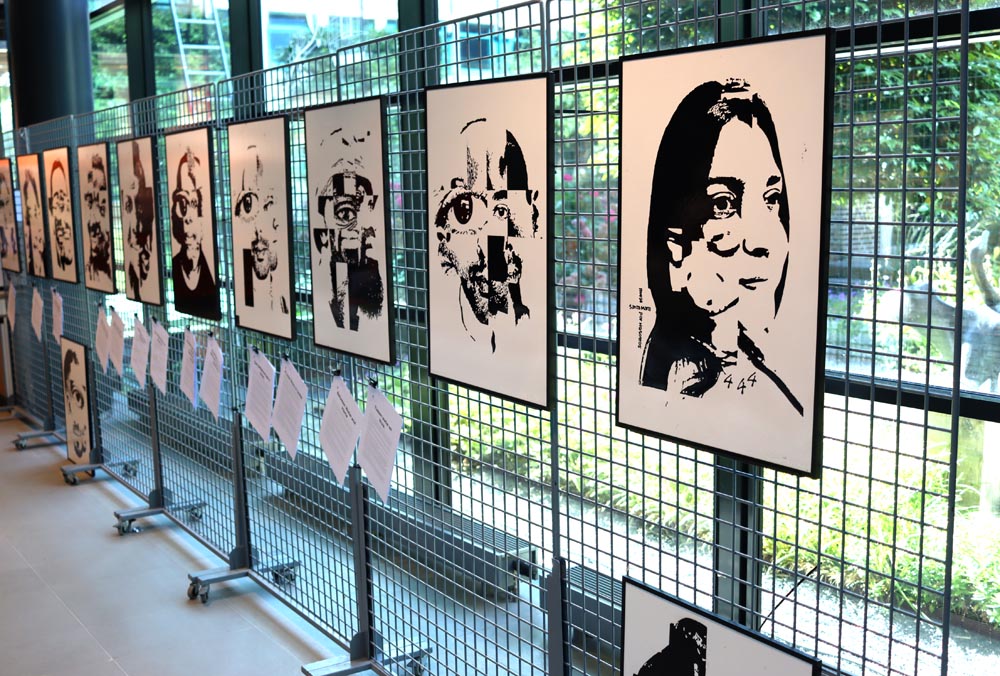
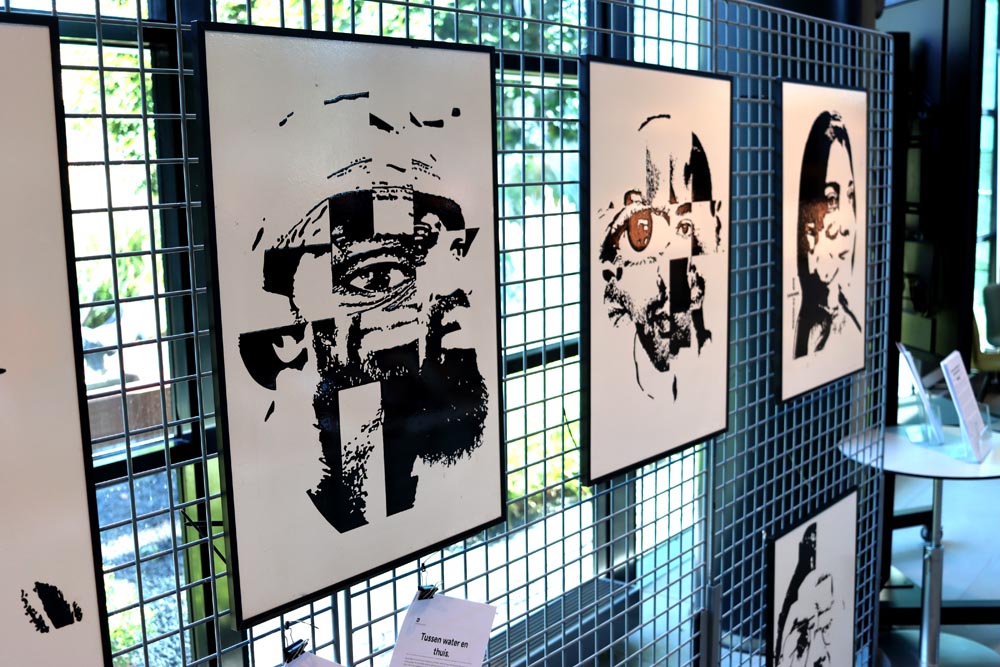
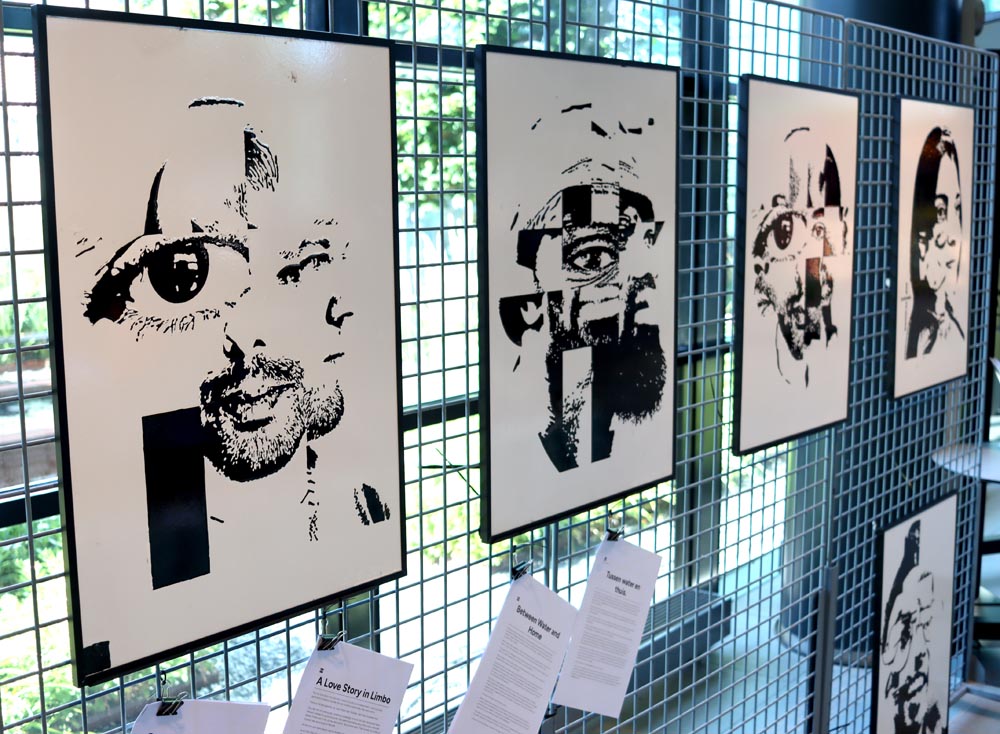
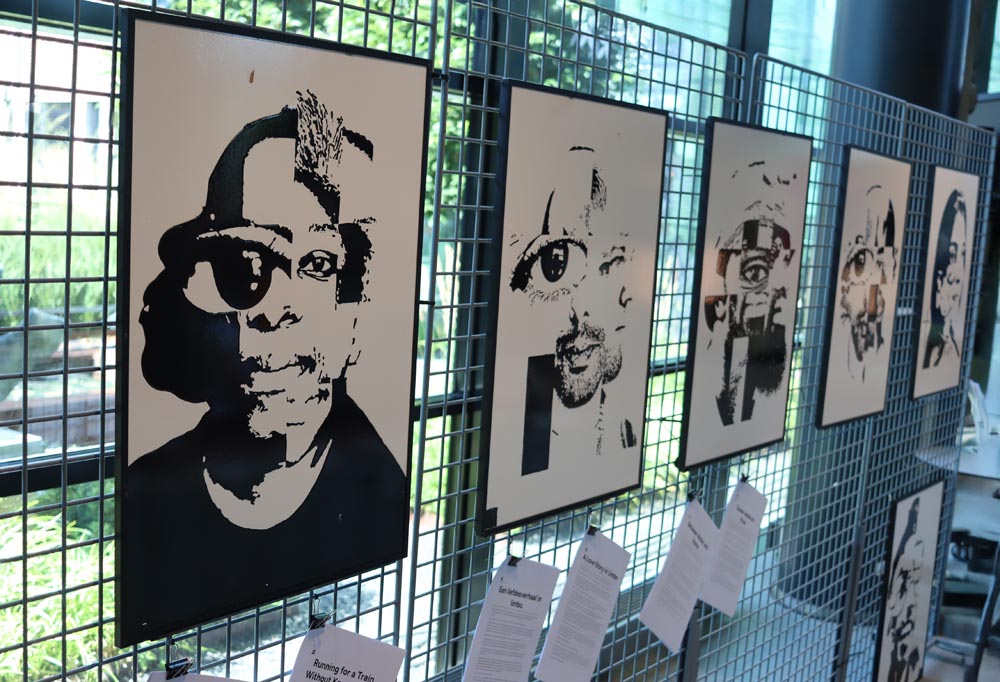
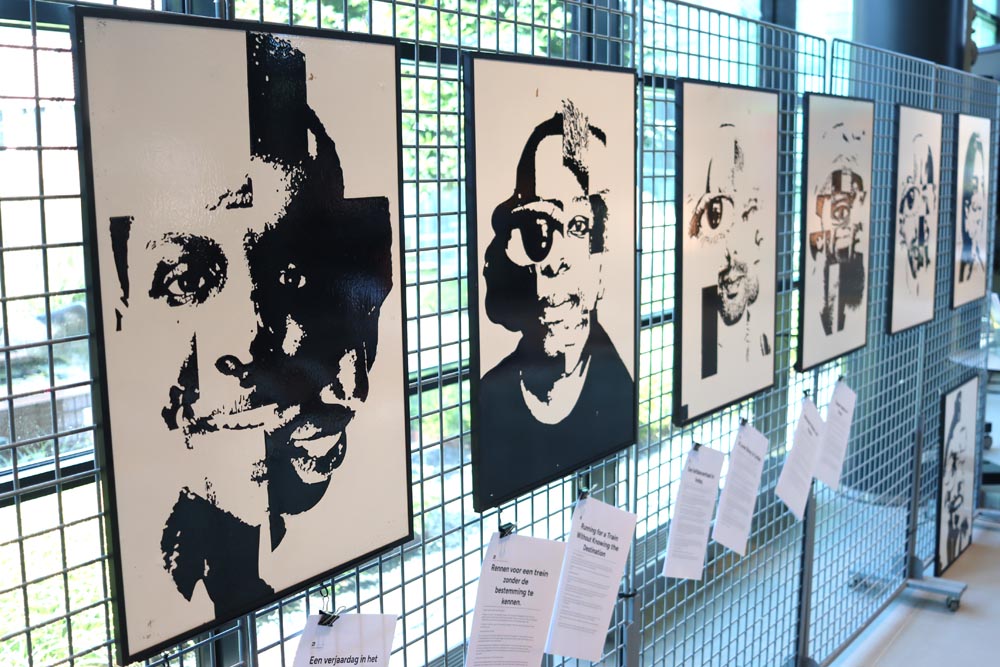
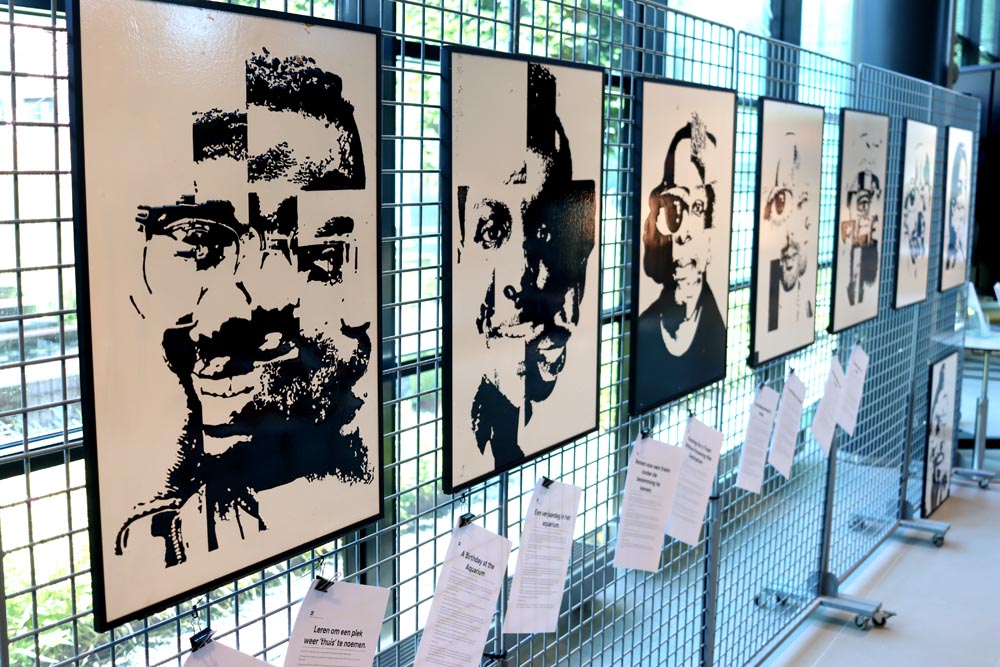
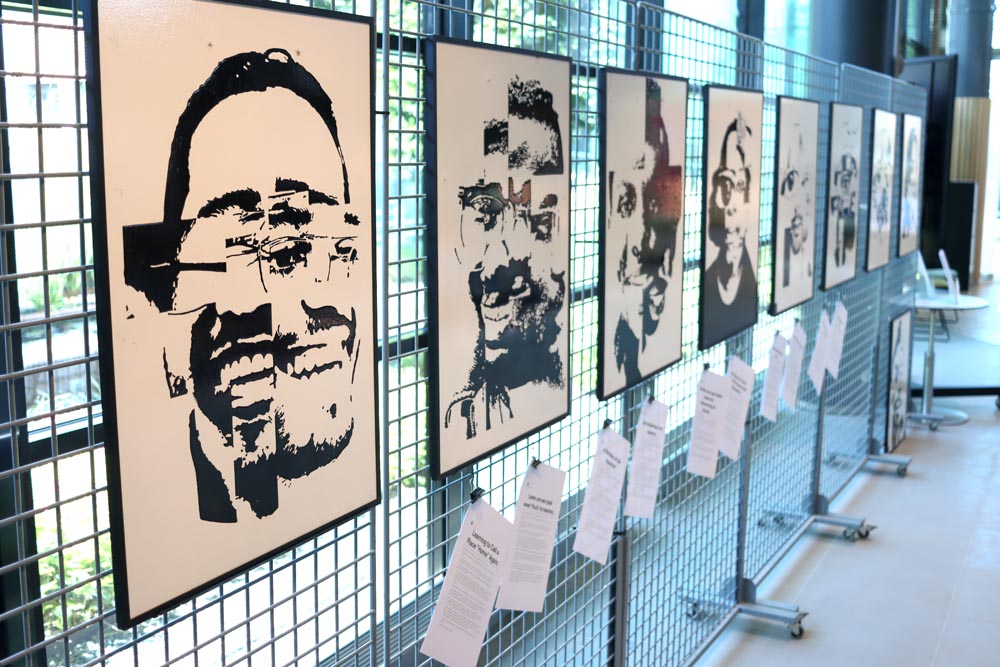
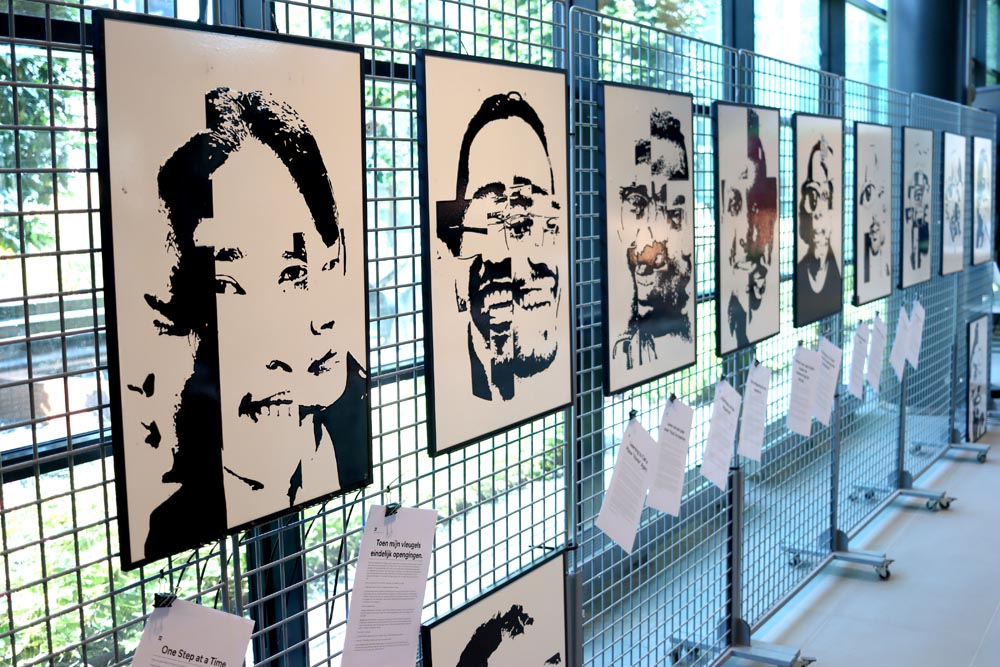
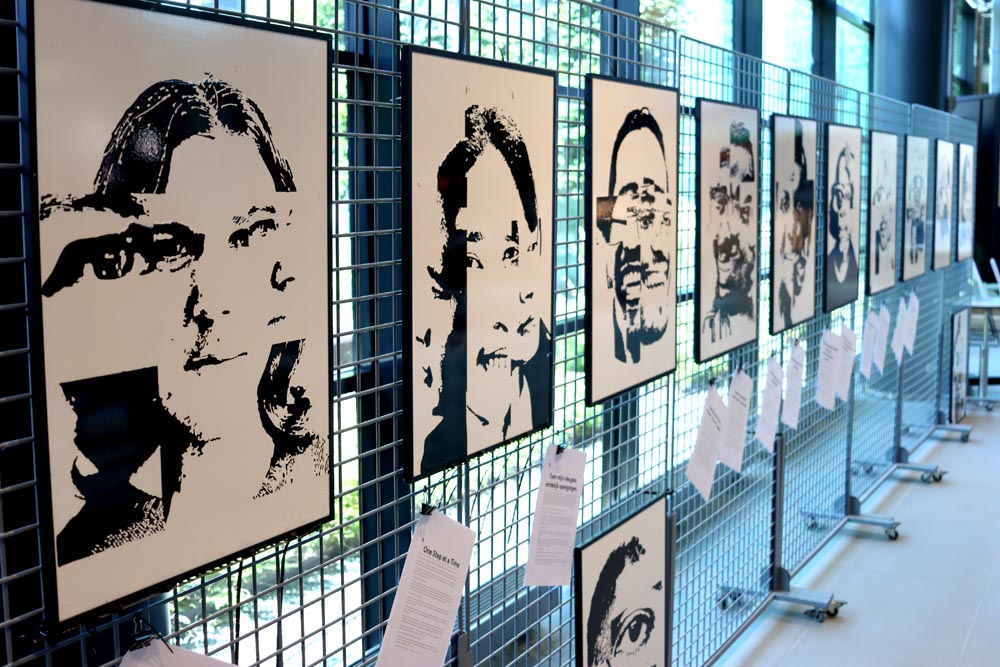
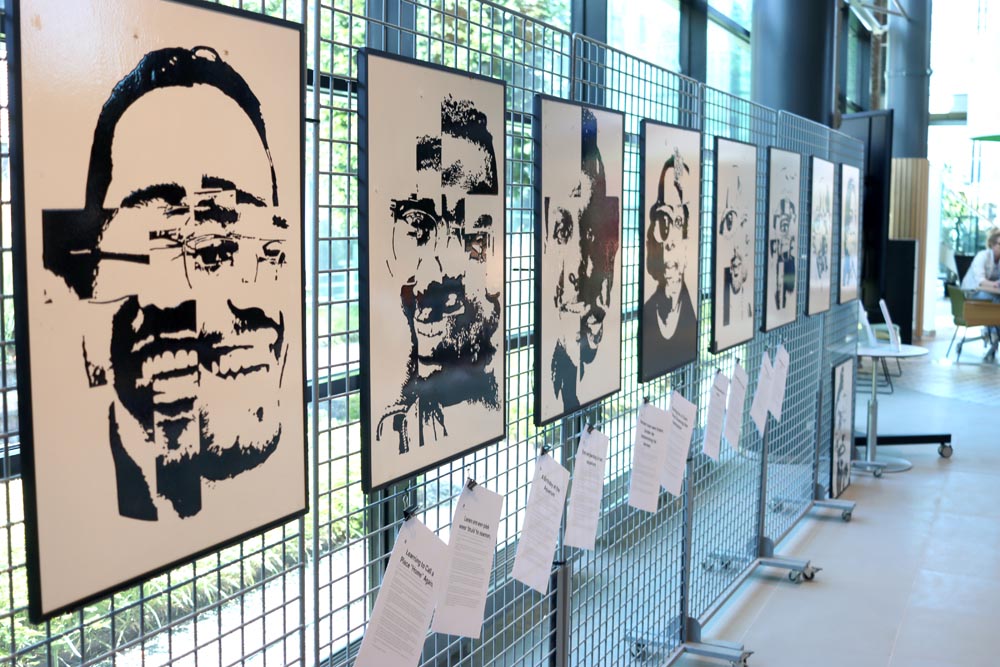
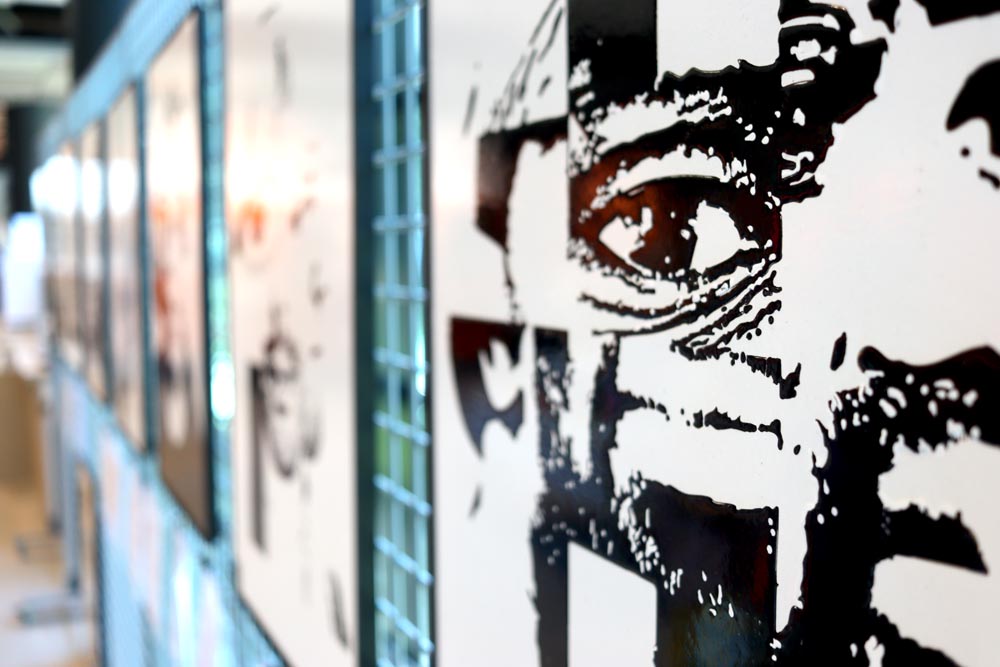
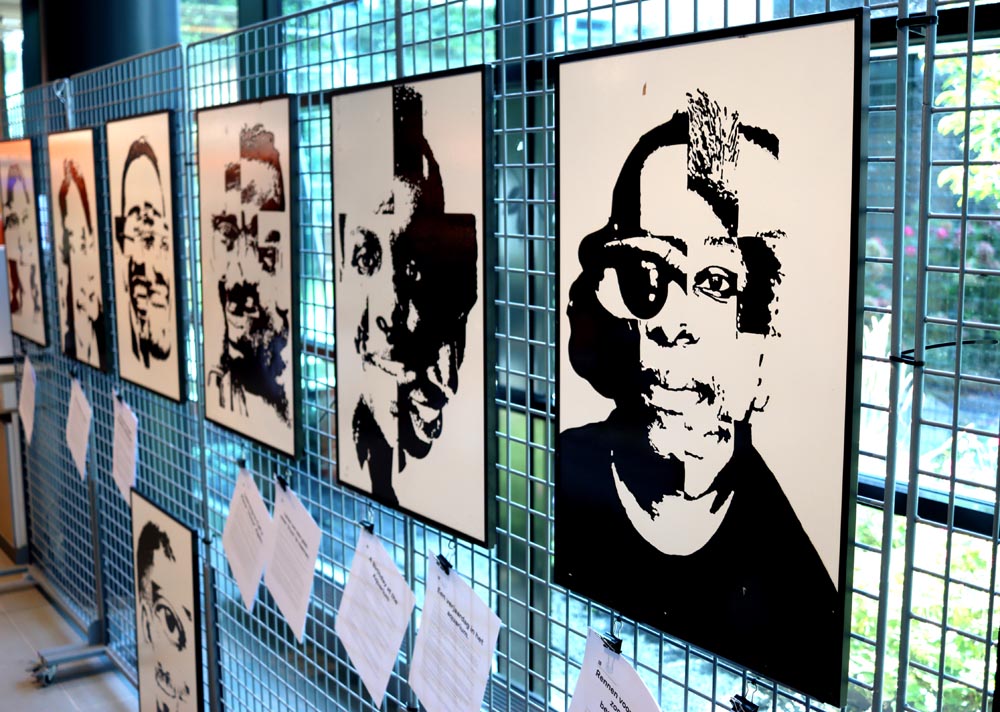
This exhibition brings together a series of portrait-and-story works developed through long-form conversations with residents of COA reception centres in Heerhugowaard and Alkmaar who are connected to queer communities. Each work combines a written account with a portrait shaped through Nathan Samuel’s Remix process, in which photographic fragments are layered and reconstructed rather than presented as a single, complete likeness.
The exhibition begins from a simple but demanding question:
What does it mean to begin again when arrival is not an ending?
Across these stories, arrival in the Netherlands does not function as a neat conclusion. Greater safety may exist alongside waiting, bureaucracy, housing insecurity, distance from family, loneliness, or uncertainty about the future. The exhibition’s first claim is therefore that arrival does not end uncertainty.
Its second claim is that participants remain fully individual within that uncertainty. They continue to teach, study, sew, volunteer, cook, pray, paint, cycle, make jewellery, care for partners, learn languages, plan businesses, and imagine new forms of work. These are not small decorative details added around a larger story of displacement. They are part of the evidence of personhood, continuity, and unfinished life.
Its third claim is that home, safety, residence, and belonging do not align neatly. A person may be safer without feeling settled. They may have permission to stay without feeling at home. They may build belonging through routine, work, language or community while other parts of life remain unresolved.
The project was developed in the Netherlands with support from local charities and community partners but the exhibition does not centre institutions. It centres participants and the different ways they have chosen to speak, withhold, rebuild, and continue.
The portraits are intentionally fragmented. Features overlap, disappear, and re-emerge. This fragmentation is not used to suggest that participants are broken. It asks a different question: What happens if a portrait refuses to pretend that another person can be fully known at a glance? The works hold visibility and protection together. In some cases, partial concealment is also part of how safety is maintained.
As you move through the exhibition, try not to treat the text as a full explanation of the image, or the image as proof that you now understand the life described. Read, look, and then look again. Notice the ordinary details as carefully as the larger circumstances. Stay alert to difference. No single story here stands for all the others.
These works offer encounter, not completion. They ask for attention that can hold uncertainty without turning it into either spectacle or closure.
here Next?