This work sits between two ongoing bodies of work: Lessons From Departure and Faces Deconstructed. While it shares the visual language developed through those projects, this piece moves into a different space. It uses fragmentation, reconstruction, and experimental portraiture to question how identity is seen, altered, and held.
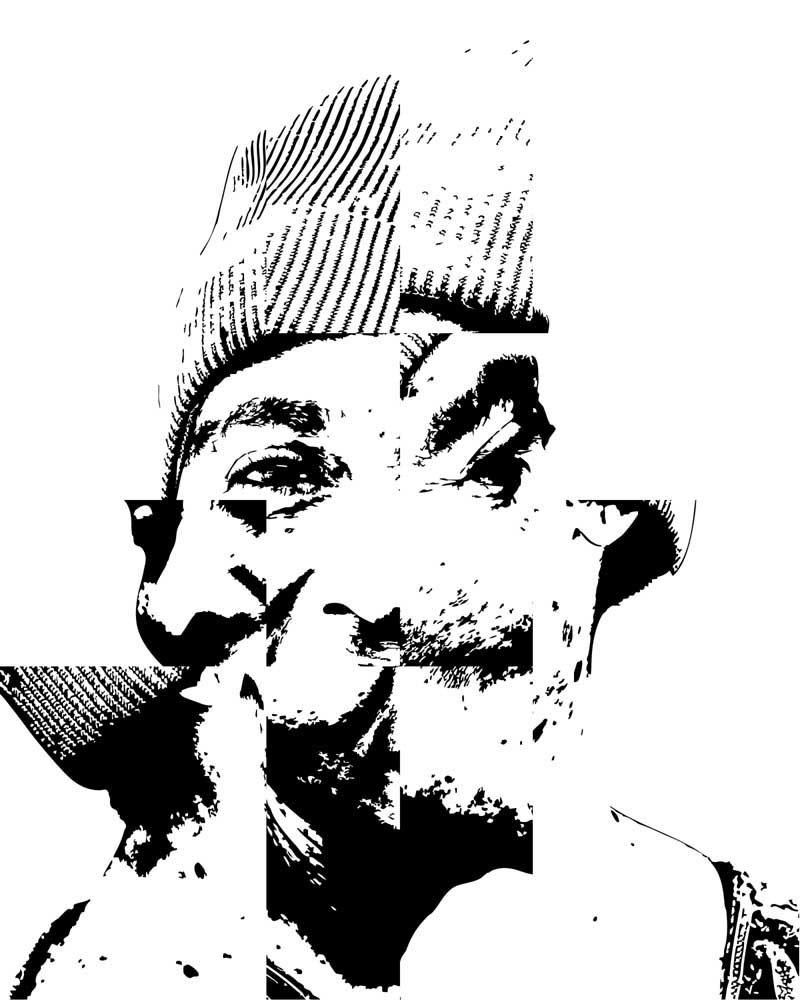
I Want What Is My Own
This work is not a documentary portrait in the traditional sense. It does not attempt to present a complete or fixed version of a person. Instead, the face is broken apart and rebuilt, allowing the image to sit somewhere between recognition and distortion. The viewer is offered enough to sense a person, but not enough to fully possess or resolve them.
The title, I Want What Is My Own, speaks to a desire for ownership over the self. A face is one of the most immediate ways a person is recognised, but it is also something constantly interpreted by others. Through this process of remixing and reconstruction, the portrait asks what happens when identity is viewed through fragments, assumptions, memory, and artistic intervention. You can reading about the individual’s journey[here].
The work draws from the methods developed in Faces Deconstructed. , where portraiture is treated as something unstable rather than fixed. A face becomes a site of tension. It can be familiar and unfamiliar at the same time. It can reveal, conceal, distort, and protect. Fragmentation here is not used as destruction, but as a way of showing complexity.
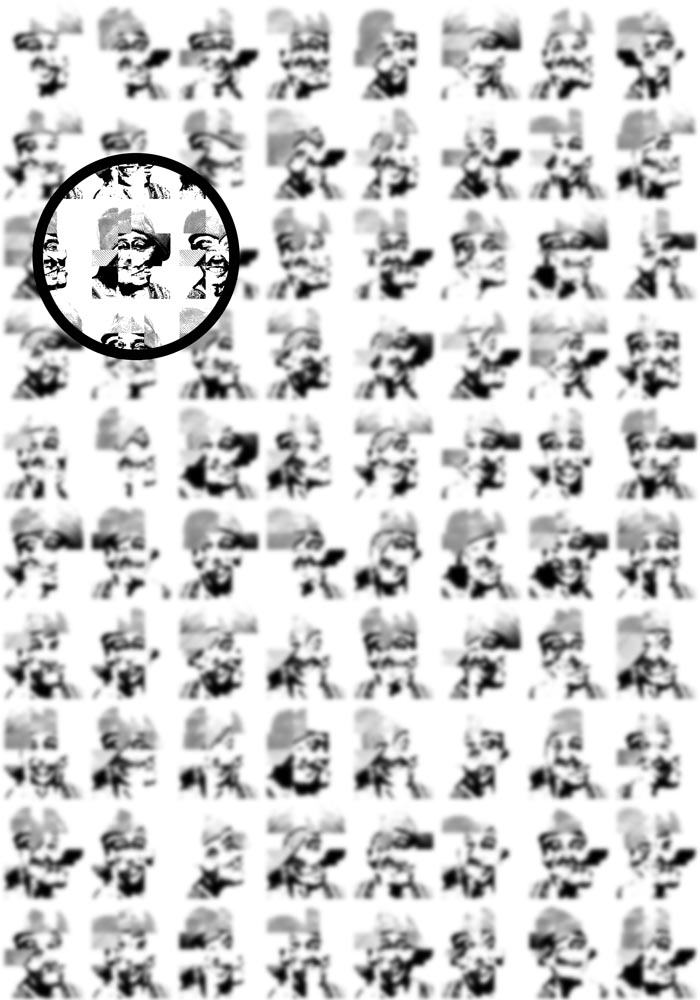
Although this piece connects visually to Lessons From Departure its focus is not on migration or displacement in a literal sense. Instead, it takes some of the emotional questions from that wider project: Questions of belonging, recognition, identity, and what it means to be seen(?) and have then applied them to a different subject. The result is a portrait that is personal, layered, and unresolved.
The reconstructed image resists easy reading. It asks the viewer to slow down and consider how quickly we try to categorise a person from their appearance. Rather than offering a clear likeness, the portrait creates a space of uncertainty. It asks whether a person can ever be fully understood through an image, and whether portraiture can hold the parts of someone that remain private, shifting, or unseen.
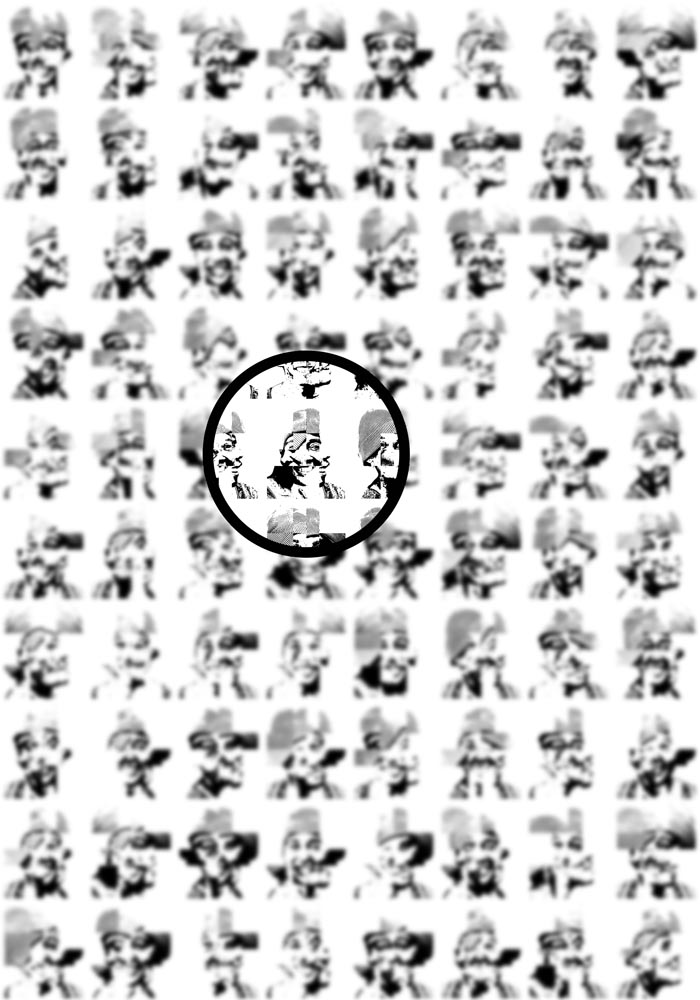
Ultimately, this work is about the struggle to remain whole in the face of interpretation. It reflects the gap between how a person sees themselves and how they are seen by others. The fragmented surface becomes a way of protecting the subject as much as revealing them.
The next stage in the studio is to continue developing this image into a resolved portrait. The final work will sit alongside the broader visual research of Faces Deconstructed. and remain in conversation with Lessons From Departure while opening a new direction focused on identity, self-ownership, and the complexity of being seen.
Where Next?