This work is part of our 2026 collaborative arts project: Lessons From Departure
If you are not familiar with the wider context of this project, we recommend reading the main project overview here: [Lessons From Departure]
When My Wings Finally Opened.
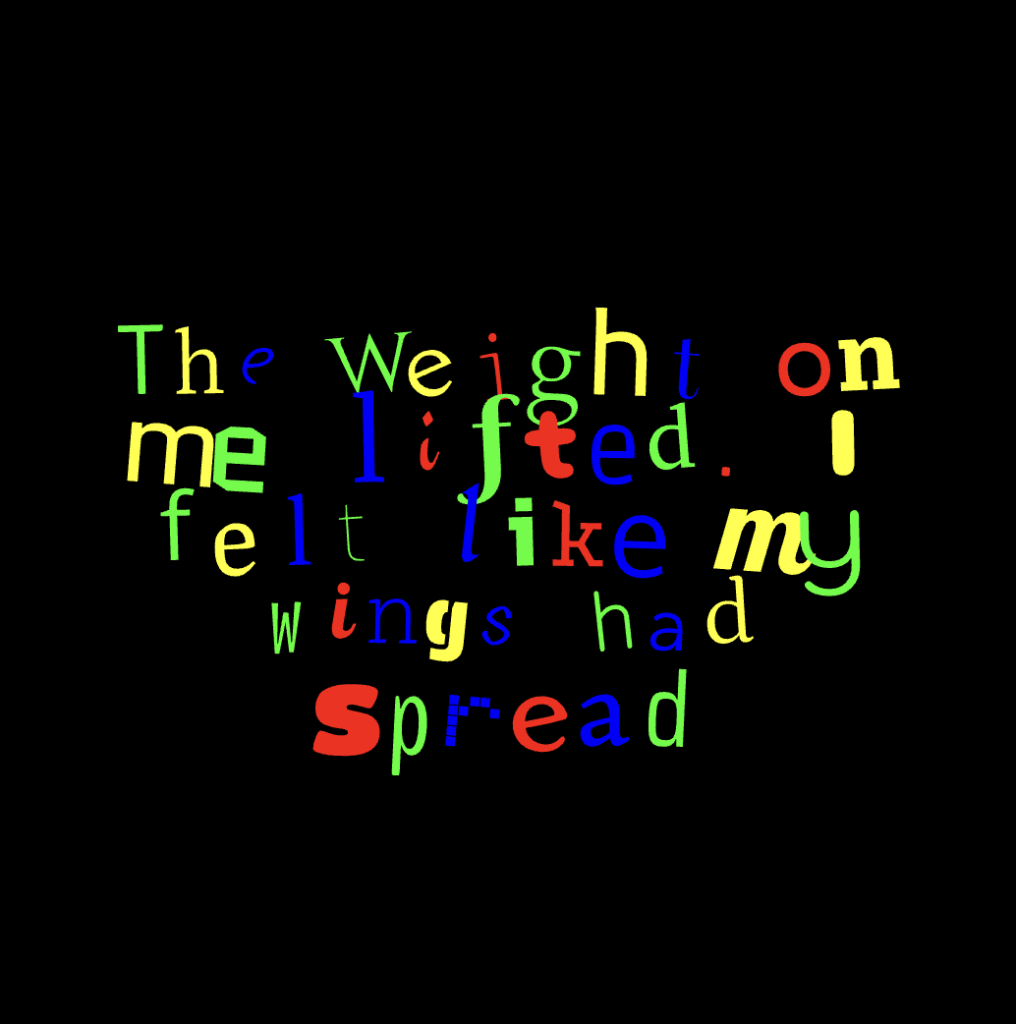
When he stepped off the plane in the Netherlands, he felt something shift in his body before he could even put it into words. “The weight on me lifted,” he says. “I felt like my wings had spread.” It was his first time flying. His mouth was dry, his breath uneven, his thoughts racing between fear and relief. For hours before boarding, he had been convinced something would go wrong. Maybe his ticket would be cancelled, or that the plane wouldn’t take off, that someone would stop him because they could see what he was doing.
But now he was here. And for the first time in a long time, he felt safe.
Just weeks earlier, he’d been living in hiding in Türkiye.
At 36, he had already spent years navigating a life shaped by silence. Growing up without strong family support, he learned early on how to adapt and to avoid conflict, to trust people he knew he should not trust and above all, he. learned to say yes when he wanted to say no. But things changed when a relative exposed his identity as a gay man.
After that, everything escalated.
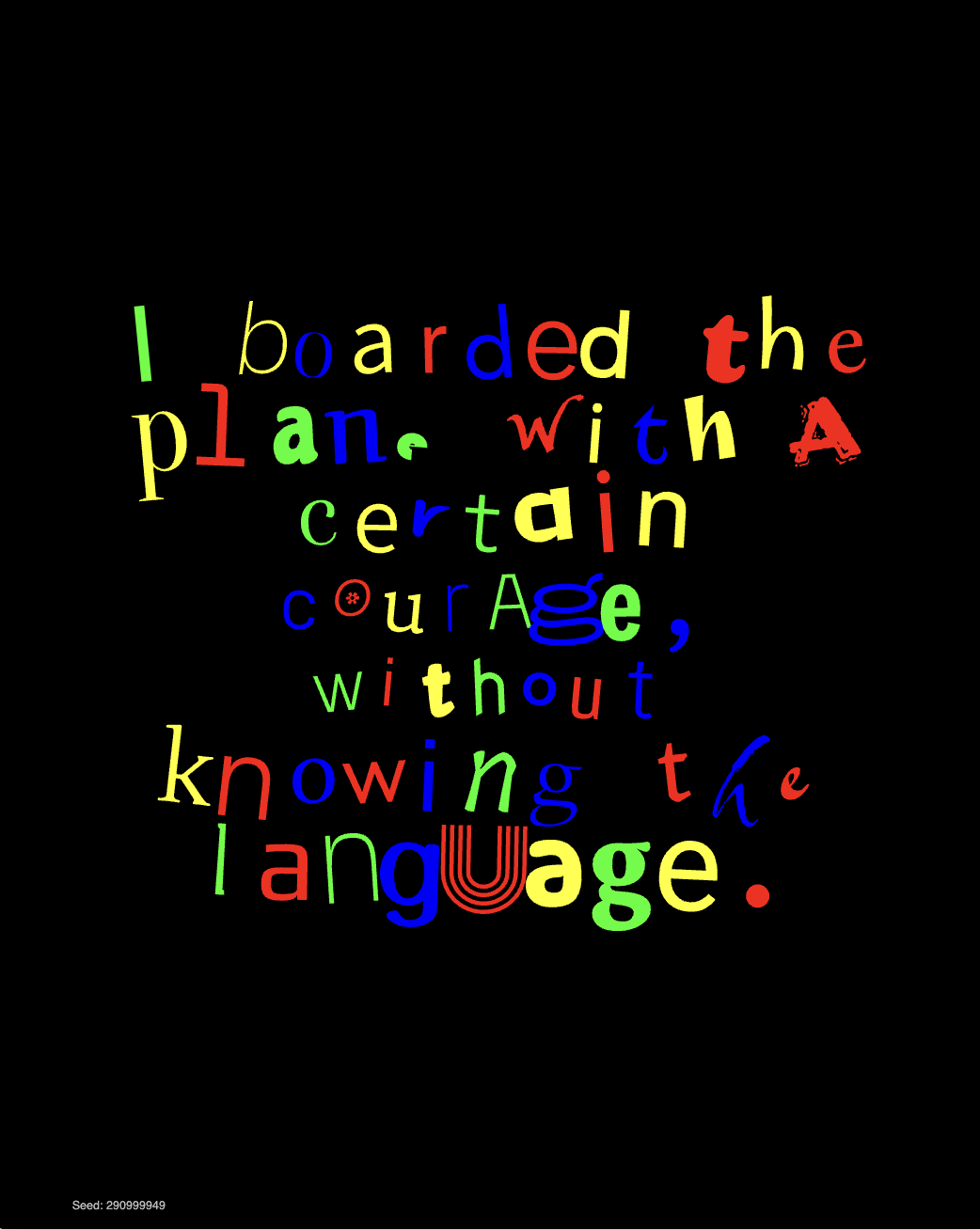
He began receiving threats. The life he knew became dangerous. He moved away, tried to stay out of sight, but the fear followed him. “I was living in hiding,” he says simply. “Until I came here.”
Leaving wasn’t easy. For years, he had been unable to travel due to a ban. When that restriction finally lifted, he knew he had one chance. The journey to Istanbul airport was done quietly, carefully. A friend helped him get there. Even at the airport, he faced questioning and suspicion because of how he looked.
Still, he kept going.
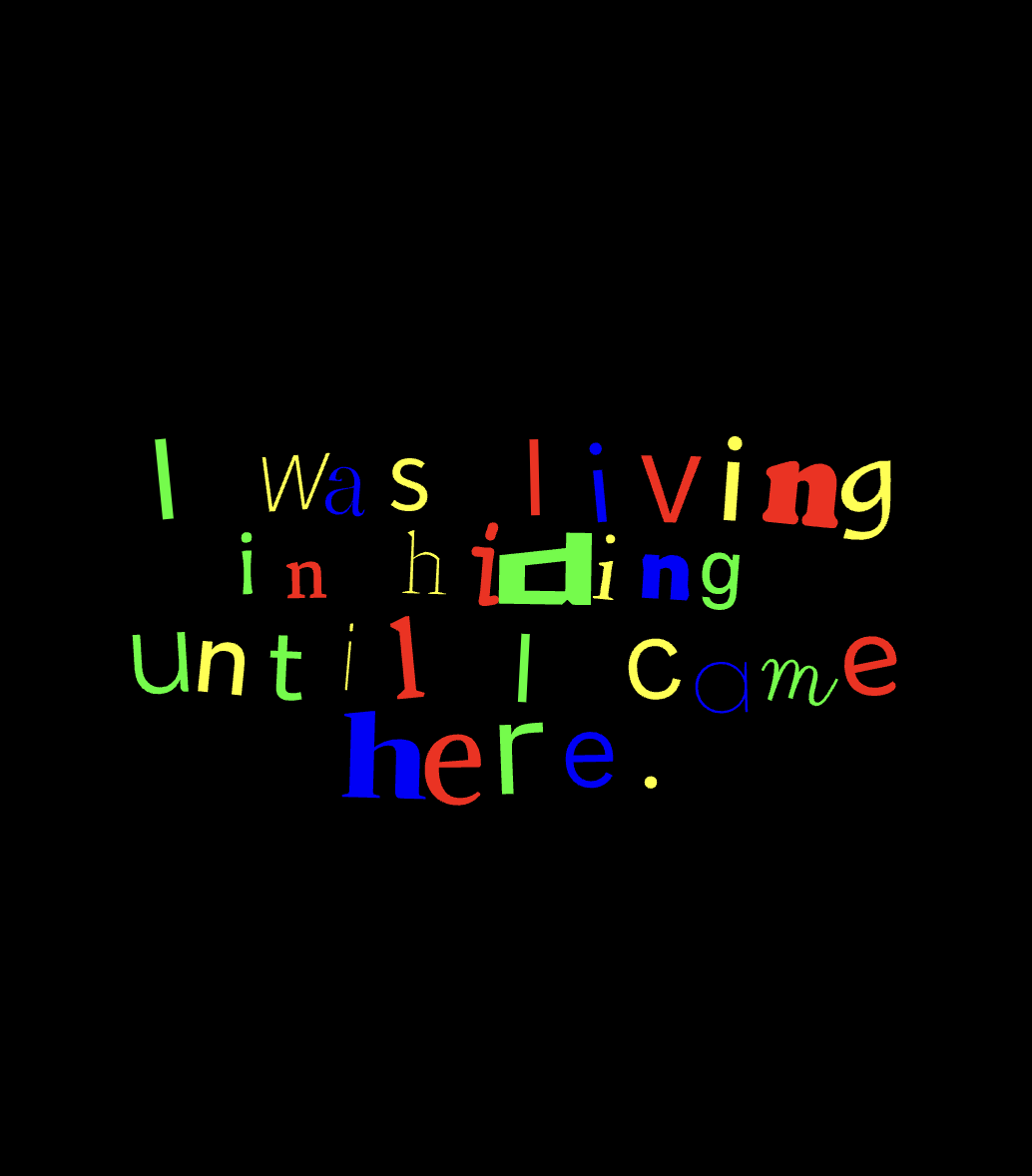
“I boarded the plane with a certain courage,” he says. “Even without knowing the language.”
Arriving in the Netherlands felt like stepping into a different world.
At the airport, he wanted to tell the police why he had come (that he was from Türkiye, that he was gay, that he needed protection.) But when the moment came, he couldn’t speak. His mouth was too dry from fear. So he wrote it down instead.
What happened next stayed with him.
“They were very welcoming,” he says. “If I had done this in Türkiye, it would have been very different.”
That first interaction changed something. For the first time, authority did not feel like a threat.
“If the police are like this,” he remembers thinking, “what must the people be like?”
His first days in the Netherlands were not easy. He spent 11 days inside the airport, unable to go outside. But when he was eventually transferred to a reception centre, something small but incredibly powerful happened.
He went outside, and strangers greeted him.
People he didn’t know smiled, said hello. It was such a simple gesture, but it stayed with him. “That made me very happy,” he says.
There were other differences, too. The directness of people, the rhythm of the language, even the absence of street animals. (something he had grown used to seeing in Türkiye.) Many things felt strange at first, but over time, he tell tell me, “you adapted” then slowly, “you began to rebuild”
Today, He has been in the Netherlands for two years.
He attends language classes and works with children at a camp, where his colleagues describe him as energetic and positive. its exact same two words which I wrote on my notepad when we met for our interview.
when he’s not volunteering he paints to clear his mind and exercises regularly to stay mentally and physically fit. These routines help him cope with the uncertainty that still defines his life.
Despite everything he has gained, his future remains unresolved.
His asylum application has been rejected twice, and his case is ongoing. The waiting is heavy. It affects his sleep, his focus, his ability to imagine what comes next.
“I can’t think about five years from now,” he says. “My head is too full.”
What he does know is what he cannot return to.
“The hardest part,” he says, “is being sent back… I won’t live like a human being anymore.”
And yet, even in uncertainty, there are moments of joy.
Here, he says, he is finally able to live openly. “I’m living my own identity.”
It’s something he didn’t have beforenot fully. In the Netherlands, he has learned to set boundaries, to speak directly, to say no without fear. “In my country, I couldn’t,” he says.
As our conversation developed he tells me that has also found connection. He is in a relationship, something he describes with quiet happiness. When he received a marriage proposal, it meant more than he expected. Still, he chose to wait. His life is not yet stable enough to build something permanent.
He is trying to protect not only himself, but others, too. Yet despite all this attention on his future, there are things he misses from his old life. He gones ot to tell me about the mountains of his childhood, where he once hiked with his mother. The food, the familiar rhythms of home. And most of all, his cat. He left his cat with a friend, hoping to bring her later. But before he could, he received the news that she had died.
“That upset me,” he says. “It still does.”
Loss, like memory, does not disappear when you cross a border.
and so, for now, he focuses on what is in front of him.
Learning the language. Building a life step by step. Holding onto the hope that one day, his case will be approved.
And when that day comes, he already knows what he will say.
“I’ll shout to everyone,” he says, smiling, “I’m here now. I made it.”