
Waiting for a Future: A Love Story in Limbo
This work is part of our 2026 collaborative arts project: Lessons From Departure
If you are not familiar with the wider context of this project, we recommend reading the main project overview here: [Lessons From Departure]
A Love Story in Limbo
The first time Deniz and Can met, it wasn’t in a café or a crowded street. It was in a private apartment in Istanbul. Outside, the city moved as usual. Inside, they were careful.
“Home is the best place for me,” one of them said. “Outside, I don’t feel completely free.”
They had met on a dating app, something increasingly common, but their expectations were different. Instead of a quick encounter, they spent hours talking about films, music, and small details of their lives. It felt, as they described it, “like a normal date.” That normality (so simple, so ordinary) was rare enough to feel safe.
At the time, both were already used to navigating life quietly.
As an only child, Can grew up under close family supervision, a pattern that continued through school and into early adolescence. Even after moving to Istanbul, he lived with relatives who kept a watchful eye on where he went and who he spent time with.
Deniz, who is Kurdish, spent much of his life navigating overlapping layers of identity (ethnic, cultural, and personal) often with the sense that he belonged nowhere entirely.
Together, they began building something that extended beyond the limits of their surroundings. During the pandemic, when meeting became even harder, they watched films simultaneously from separate homes, pressing play at the same moment and staying connected through a call. It was a small ritual, but it gave a foundational structure to their relationship. it was and still is something steady they both lean on in a life shaped by uncertainty.
Still, the pressures around them didn’t ease.
In Turkey, expectations were clear: family, marriage, stability. All defined in a very specific way. There was little space for deviation. Over time, those expectations became heavier, more urgent. For Deniz everything shifted when his sexuality was discovered by his brother. What had once been private was suddenly exposed.
That moment changed everything.
“We didn’t see a future,” they said. “It wasn’t a life we wanted.”
Leaving was not a simple decision. It required planning, patience, and risk. There were practical barriers he tells me, “think documents, money, timing, its not easy” . There were also obligations that couldn’t be avoided. Deniz completed his military service before they could go, a period that felt less like duty and more like waiting.
Eventually, they left Turkey together.
Their arrival in Europe was not the end of uncertainty, but the beginning of a different kind. After a short stay in the Netherlands, they moved to Berlin, where they found something they had not experienced before: a sense of belonging. There, they accessed therapy, joined queer communities, and began imagining a life that felt possible.
But that stability didn’t last.
Because of the EU’s Dublin Regulation, they were required to return to the Netherlands—the country where they had first entered Europe—and restart their asylum process. The life they had begun building in Berlin was suddenly out of reach.
Now, they live in a refugee camp.
Their room is small, just beds and a few plastic chairs. The same kind you find in classrooms. Their days, like many that are going through the same process ,are structured by blocks waiting:
Waiting for decisions, waiting for updates, waiting for something to change. Time feels different here stretched and uncertain.
“When you go to bed, you are always thinking: what am I doing? How long should I wait?”
The uncertainty is not abstract. It is shaped by stories they hear from others—like someone who has been waiting five years just for an answer. Moments like that linger, turning ordinary days into something heavier.
And yet, they resist becoming passive.
At some point, Deniz reached a quiet but decisive conclusion: “This cannot be my life.”
Since then, they have tried to build routines to shape their lives for the better. They wake up early, make coffee, and check the news (often translating Dutch subtitles word by word.) They study, attend online lectures, and take courses. When needed, they go grocery shopping carefully, comparing prices and managing tight budgets, moving from one supermarket to the next to find the best deals.
On weekends, they join queer hiking groups or spend time outdoors, seeking space and connection beyond the camp.
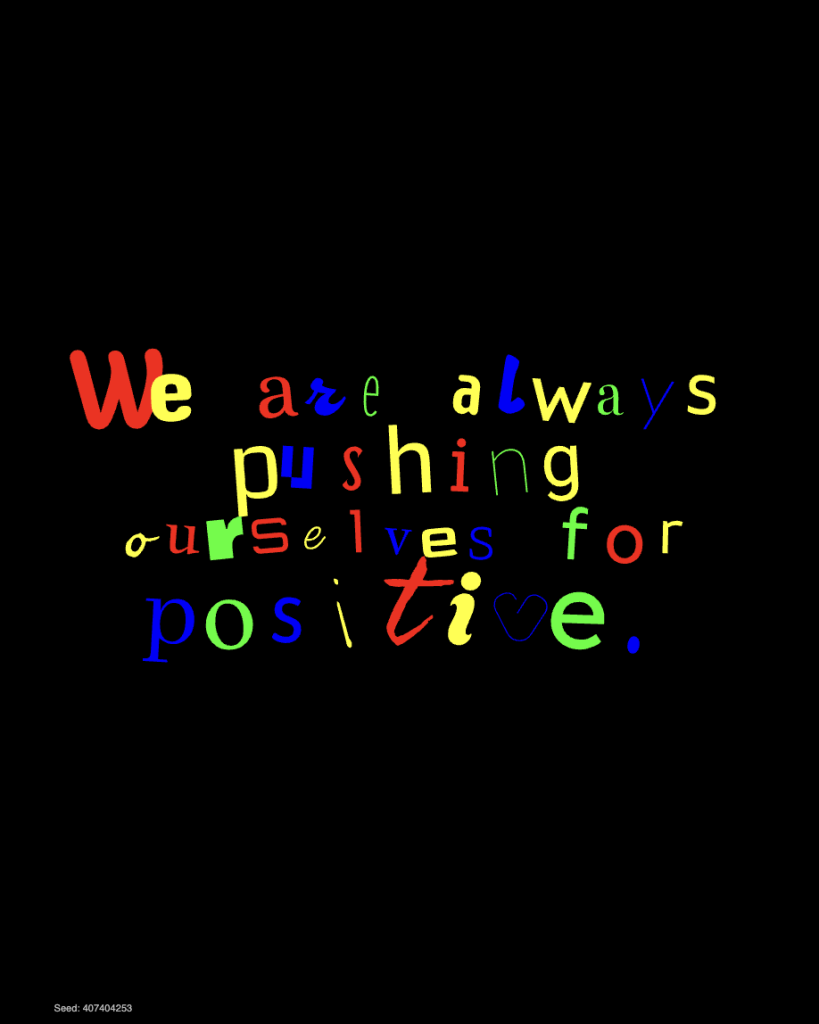
“We are always pushing ourselves to be positive,” they say.
Their relationship plays a central role in this. Being together does not remove the challenges, but it makes them more bearable. It creates a sense of continuity and offers something stable in a life that often feels suspended.
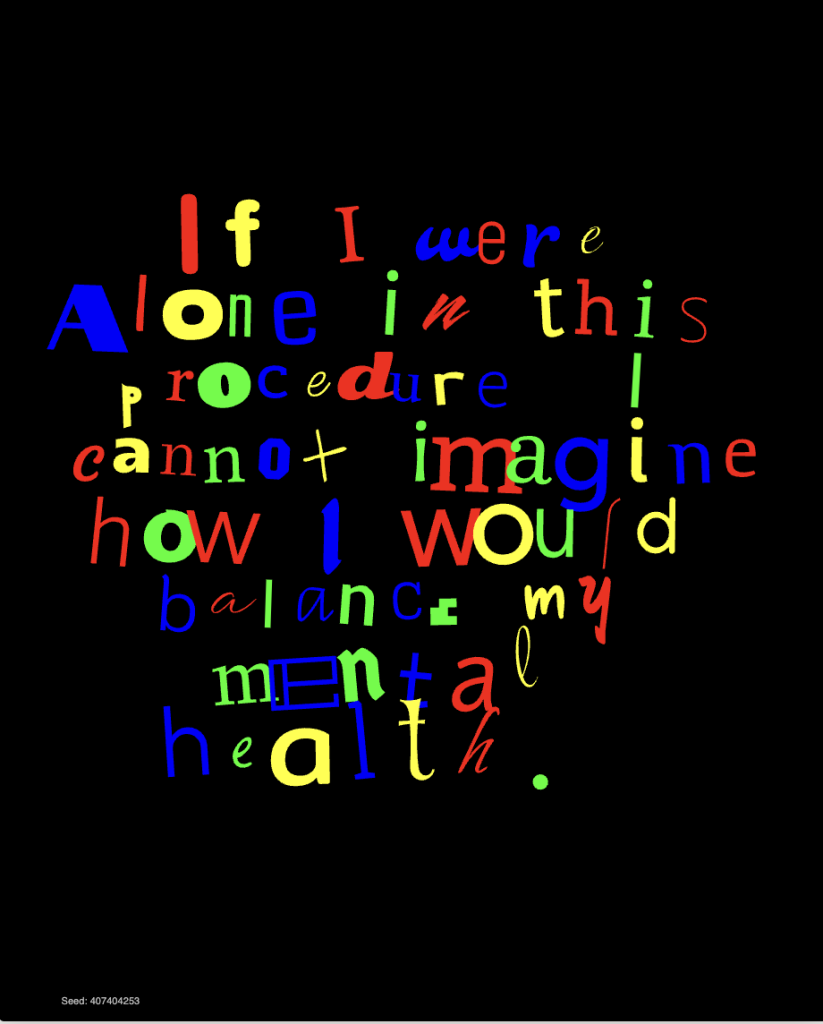
“If I were alone,” one of them reflected, “I cannot imagine how I would balance my mental health.”
Their experience is shaped by multiple layers of identity. As queer refugees (and, in Deniz’s case, as part of an ethnic minority) they can often feel doubly or even triply marginalised.
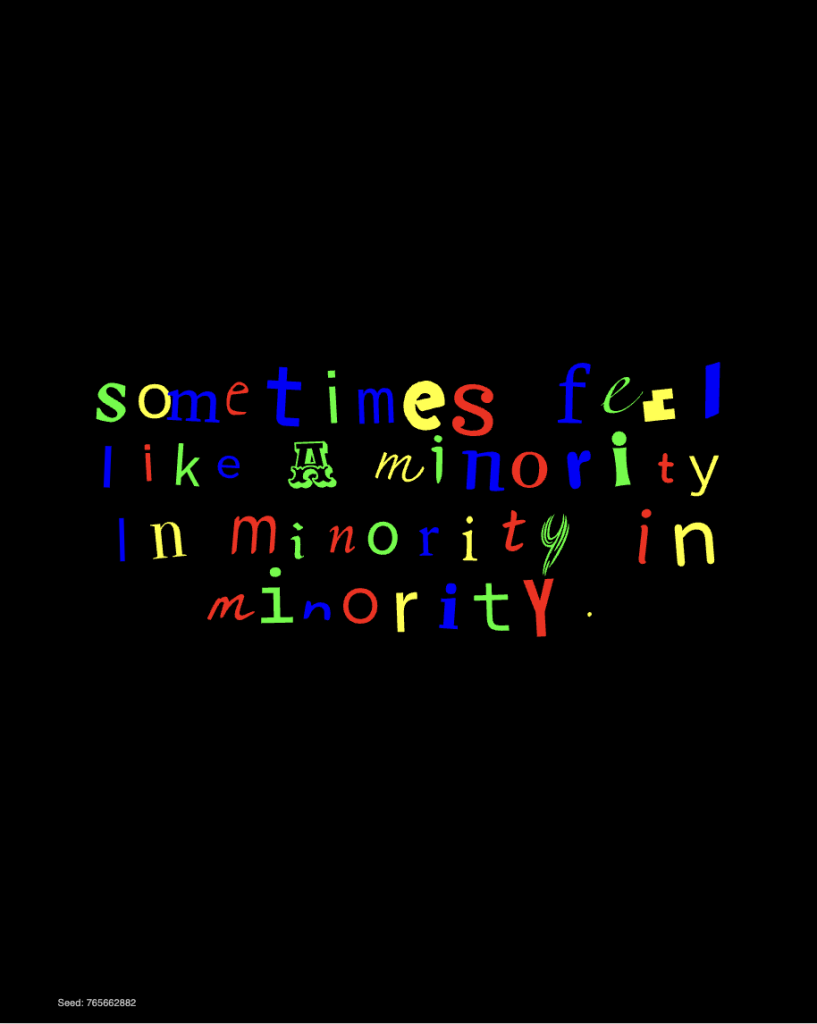
“I sometimes feel like a minority in a minority in a minority.”
Still, they continue to move forward, even without certainty. They talk about learning the language, building meaningful connections, and integrating into Dutch society. The result, they hope, is a new life where they no longer have to fear who they are. By leaving behind fear and the weight of the future, they are striving to build something new together, something grounded in hope.
Because, as they emphasise, leaving was never about opportunity.
“You don’t leave your country because you have opportunities,” they say. “You leave because you don’t have a choice.”
Today, their lives are defined by waiting. But within that waiting, there is also movement which is small, steady, and intentional.
it really is a life being rebuilt, one day at a time.