This work is part of our 2026 collaborative arts project: Lessons From Departure
If you are not familiar with the wider context of this project, we recommend reading the main project overview here: [Lessons From Departure]

The Cost of Being Myself
“For the First Time, I Feel Like Myself”
It was a cold, wet and unfamiliar November evening when he arrived in the Netherlands. He remembers standing outside in the dark, shaking, holding his luggage, unsure what to do next. He had no money, no place to sleep, and no clear plan.
“I was almost crying,” he says. “I didn’t know what would happen to me.”
He travelled overland by bus for a week, crossing borders in silence, barely sleeping, his eyes fixed on the map on his phone. “I was always in survival mode,” he explains. “I didn’t know if the police would stop me, what they would ask, or what would happen.”
But this journey had started long before that night in Amsterdam.
Back in Turkey, he had built a life. For ten years, he worked as a teacher in a role he utterly loved. “It was my dream,” he says. “I gave my life for that.”
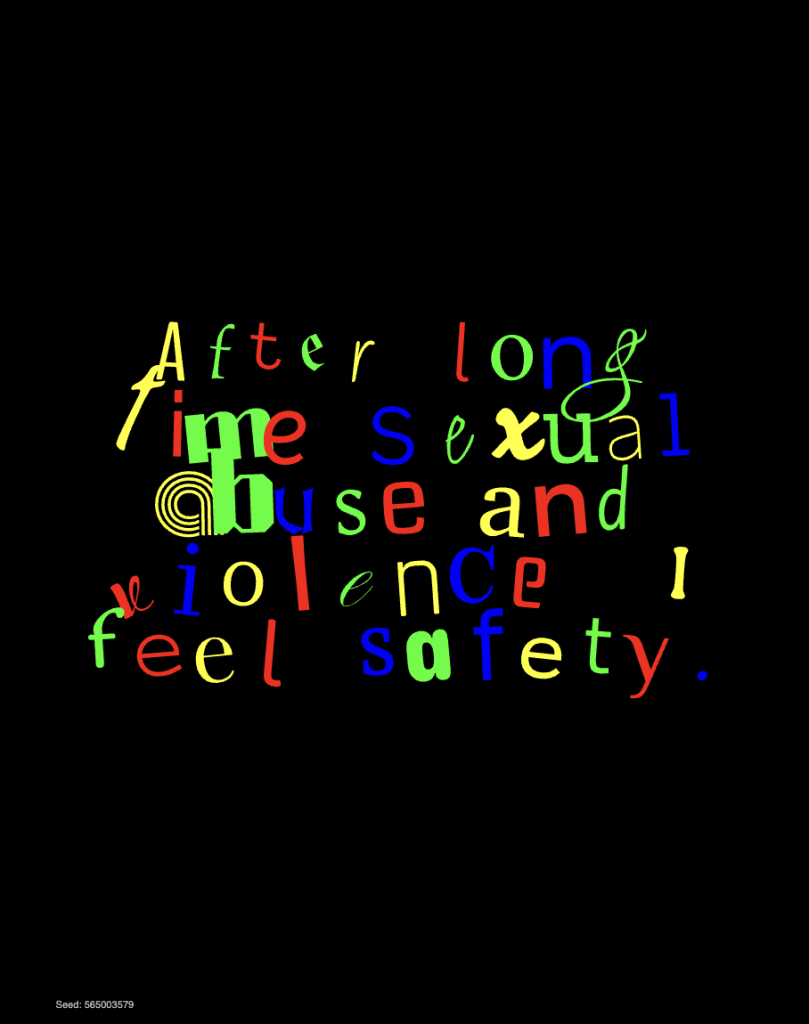
But behind that life, there was another reality. For years, he had been hiding his identity as a gay man. At the same time, he endured long-term abuse within his family (something he rarely spoke about and could not escape.) “I was always looking back when I walked,” he says quietly. “I was afraid they would find me.”
They never did. The deeper fear, he suggests, is not of being found, but of knowing that real destruction is never far away and that it can emerge suddenly, from the places you least expect.
For him, that moment came when a photo (taken without his consent) surfaced publicly. He had been on holiday, kissing a man late at night. Months later, he discovered he had been betrayed by a friend, who had shared the image.
After that, things began to unravel quickly.
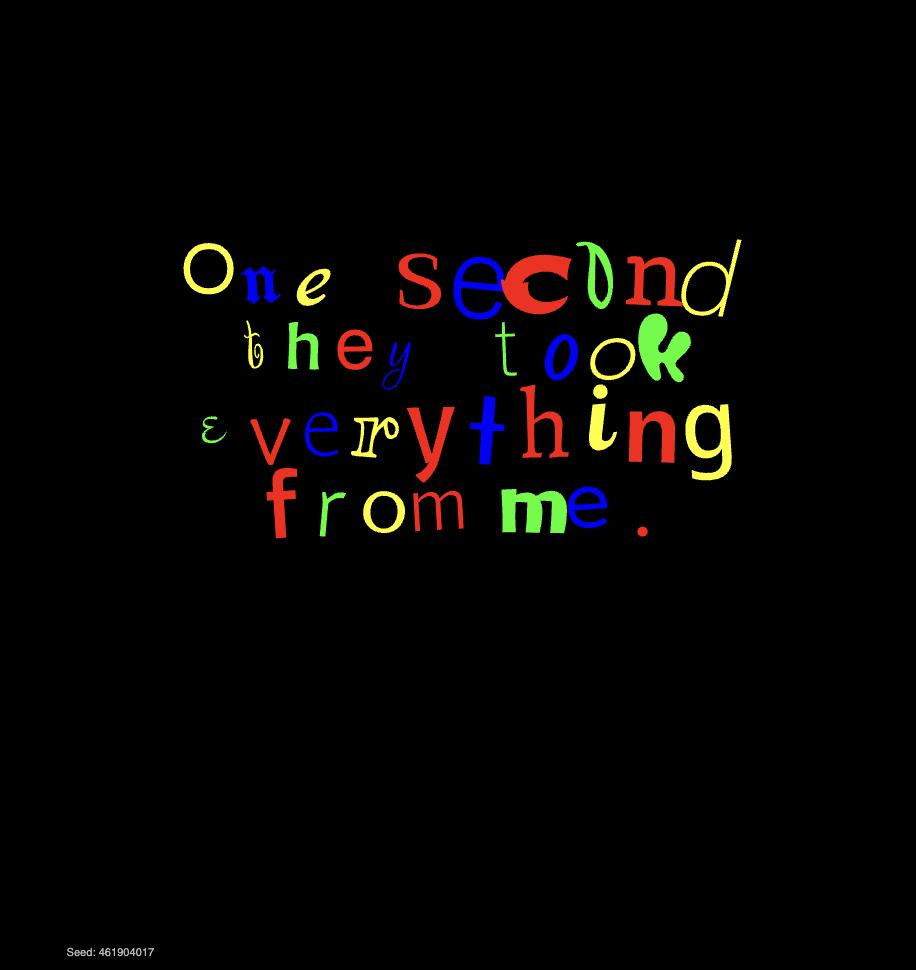
He lost his job. Schools stopped hiring him. “One second, they took everything from me,” he says.
At the same time, the threats from his family intensified. They tracked him, found his addresses, and continued to control and threaten his life. Eventually, the situation escalated to a point where it was something that he could no longer ignore.
he recalls thinking “I don’t want to die at this age.”
He left Turkey with two suitcases and uncertainty. Despite his is hope, his first stop was not the safe place he had hoped for.
There, he struggled to survive, by working informally, relying on strangers, and sometimes sleeping outside. “It was the first time in my life I slept on the street,” he says. “You don’t know who you can trust.”
At times, the help he received came with a cost. “When you are down, people try to use you,” he explains.
Still, he kept going. Eventually, he learned that he could apply for asylum. Not because of war, but because of his personal situation. This realisation changed everything.
When he finally arrived in the Netherlands, everything felt uncertain. But something was different. The turning point came during his first interaction with a police officer. “She listened to me,” he says. “She said, ‘You will be safe here.’” It was a simple sentence, but it meant everything.
“For the first time, I believed it,” he says.
Today, he has been in the Netherlands for two and half years. His life is far from easy. He lives in shared accommodation with many others, sometimes in difficult conditions. He works as a cleaner on a temporary contract and feels a million miles away from his former career as a teacher.
That is, until he is assigned to clean a school. Then, it all comes flooding back.
“One day I was teaching in a school,” he says. “Now I am cleaning it.”
The contrast is painful, but he does not let it define him. “I can do any job,” he says. “I just want to live my life.”
He spends his days working, going to the gym, learning Dutch, and trying to build a routine. On weekends, he goes out with friends, dances, and, for the first time, lives openly as a gay man.
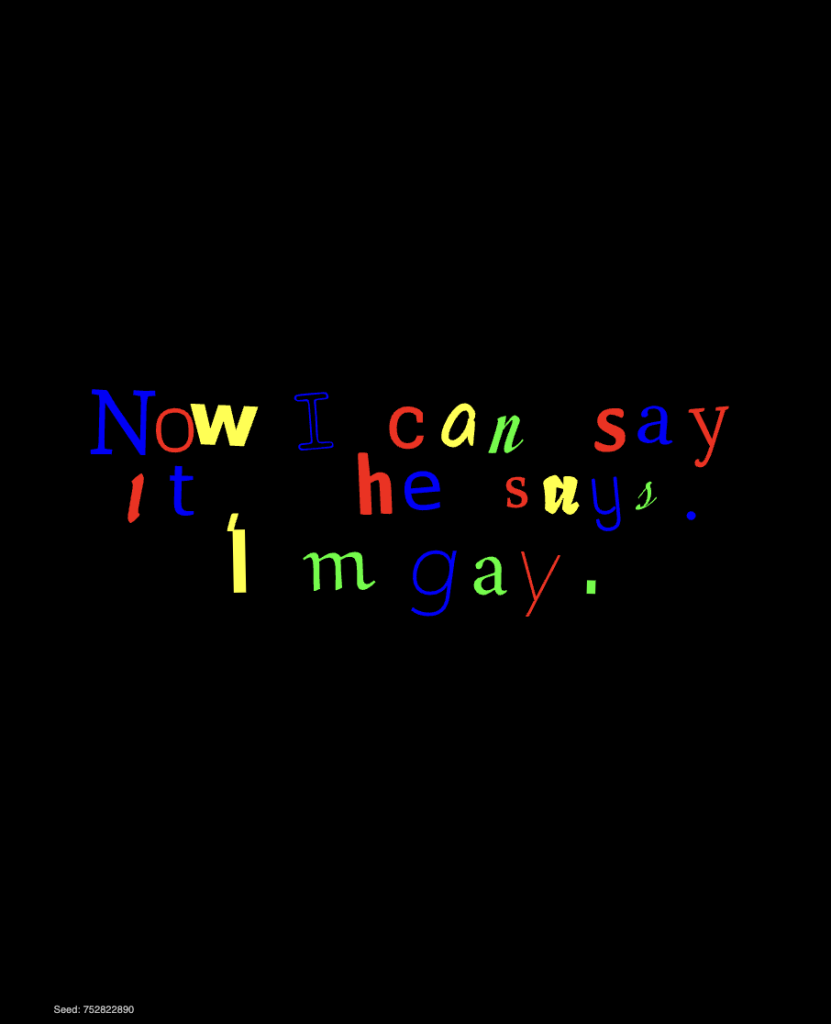
“Now I can say it,” he says. “I’m gay.”
He smiles when he talks about it, not because it is easy, but because it is finally possible.
Despite everything, he has not lost his sense of purpose. Even now, he continues to teach offering free online lessons to students in disadvantaged areas.
“Sometimes something is more important than money,” he says.
Helping others reminds him of who he is. It connects him to the life he had, and the one he hopes to build again.
Still, uncertainty remains. He is waiting for a decision on his asylum application. A process that has already taken longer than expected.
“That is the hardest part,” he says. “The Waiting.”
If the answer is no, he does not know what will happen next. But he has learned how to survive uncertainty.
“I will find another solution,” he says quietly. Life goes on.
When asked what he misses, he does not mention his country.
“I only miss the people,” he says.
He keeps photos of friends by his bed and looks at them every morning. “They give me positive energy,” he explains. he tell me that he’d love to see them again but knows some goodbyes are permanent. Even so, he speaks about the future with hope. He dreams of stability, meaningful work, and building a life with someone he loves.
Most of all, he wants something simple.
“To feel safe,” he says. “And to be myself.”
After everything he has been through, that is no longer a small thing.