This work is part of our 2026 collaborative arts project: Lessons From Departure
If you are not familiar with the wider context of this project, we recommend reading the main project overview here: [Lessons From Departure]
Running for a Train Without Knowing the Destination
At first, her story begins quietly.
We talk about church. About growing up in Nigeria. About how faith was everything. “I was born in the church,” she says. “All I knew was Christianity.” Even now, far from home, she still follows services online, sings along to worship songs, and prays when her mind feels heavy.
“It feels like home,” she says. “It keeps me in the faith.” But home became a place she could no longer return to.

It happened at a celebration.
She and someone she loved had not seen each other in a long time. There was laughter, music, and a little alcohol, something she says she wasn’t used to. But in that moment, they let their guard down as they celebrated.
Then came shouting. Accusations, words used like weapons. Then nothing. Black. When she woke up, she was in a hospital bed. Her body was broken. Her mother sat beside her, praying while a police officer stood nearby. Then came the real pain, the person she loved did not survive.
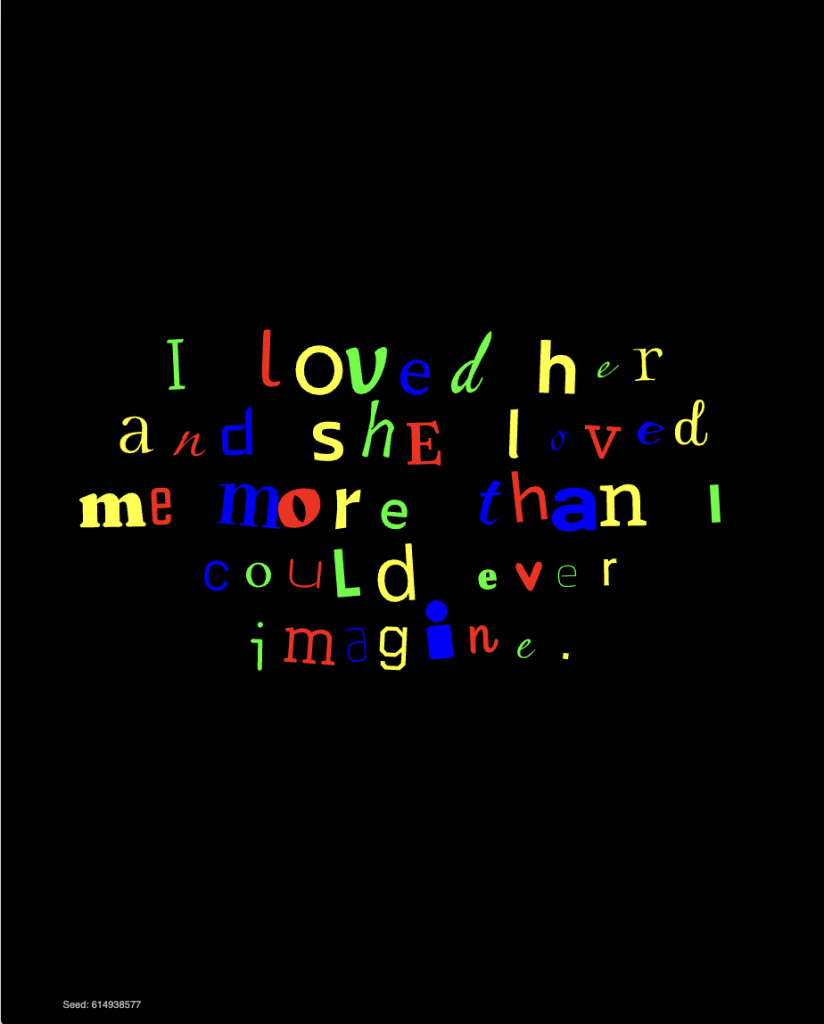
“I loved her,” she says quietly. “I loved her so much.”
From that moment, everything changed. She could not return to her community. People watched her suspicious that she might be possessed by an evil spirit. Her world became smaller. Tiny infact. Yet more dangerous.
Then came the threats.
After witnessing a violent sexual crime in her neighbourhood, a group of men began targeting her. They had something they could use against he, something that could destroy her life completely.
“They would come to my shop,” she says. “They would blackmail me and take my money and sometimes worse.”
Fear became constant. She stopped moving freely. Some nights, she slept in a church just to feel safe. “I didn’t have peace,” she says. When an opportunity came to leave the country, she took it. A woman offered her work in a hair salon in Paris. It sounded like a way out and a means to rebuild her life using her barehands.
She didn’t tell her family about the. job. “I had to keep myself hidden,” she explains. “For my safety.” But when she arrived, the truth came quickly.
“There is nothing like a salon job for you here.”
Instead, she was told she would have to sell drugs and work as a sex worker. When she refused, she was locked in a room.
No bed. Little food. No control.
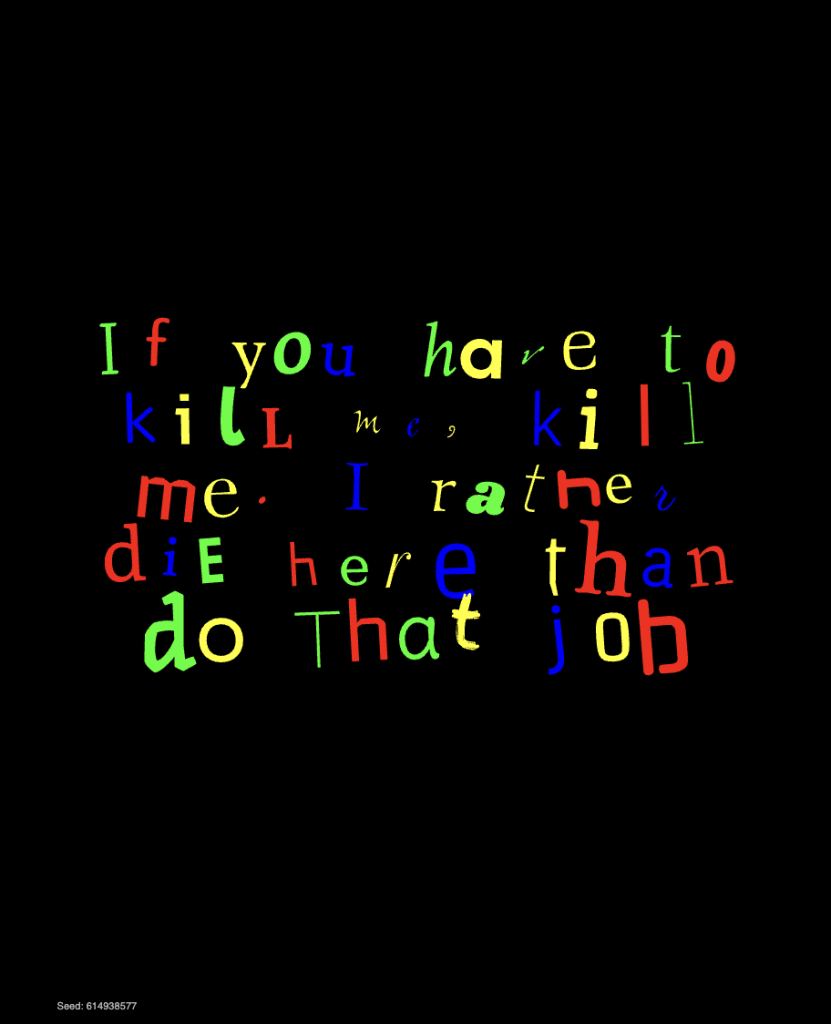
“I said I would rather die than do that job.”
But the abuse continued.
Days blurred together as men came and went. Sometimes they came alone. Other times they came in groups. Time lost all meaning meaning as she began to understand that if she stayed, she might not survive.
The turning point came from someone else in the same situation. Another woman quietly told her: agree to go outside and work for them, then find a way to escape.
That advice stayed with her.
Soon after, she was sent out for a job. It was the first time she had been allowed outside under supervision. On the way back, she made a decision. She asked to be dropped near a train station.
“I just felt… this is my chance.” At the station, everything felt urgent.
She got help to buy a ticket. Then she saw them, the people looking for her. “They were everywhere,” she says. She sat still, heart racing, whispering a prayer:
“God, please help me… don’t let them see me… don’t make me visible.”
When her train was called, she ran. She didn’t know where it was going. She just knew that she had to leave. Hours later, she stepped off the train and asked, “Where am I?”
“This is Amsterdam,” someone told her.
She had crossed into another country without planning it.
“I said, thank you Jesus.” She was safe, but also completely alone. No phone. Little money. No plan.

Then she met someone.
A woman at the station stopped and listened. She didn’t ask too many questions. She didn’t judge. She helped.
She bought her a SIM card. Gave her a phone. Then explained where she could go for help.
“You were my saving angel,” she says, remembering her. Today, she lives in the Netherlands. She volunteers. She meets people. She is slowly building a life. “This is my second chance,” she says. But the past is still close. She has nightmares. Some memories feel too heavy to speak about. Even therapy has been difficult. Still, something has changed. For the first time, she feels accepted. She has begun to understand herself in ways she couldn’t before.
“I was not something evil,” she says.
And through everything, her faith remains.
“No matter what I go through… he is still my comfort.”
Her story is not finished. Healing is still ongoing.
But she is here.
And that, she says, is everything.