The Compass and the House
The first time he travelled to Italy, he was sixteen years old, crossing the Mediterranean in an overcrowded boat with a compass in his hands.
Today, the journey begins with a bus ticket. He shows his identification, finds his seat and settles in for the twenty-four-hour trip south. Italy is familiar now: his brother lives in Bologna, many of his friends are there, and he visits whenever he has time. But each return carries the memory of how he first arrived; after crossing the Sahara and Libya, being rescued at sea, and spending a month recovering in a hospital in Palermo.
That journey began in Gambia in 2016. He was sixteen, going on seventeen, and remembers that it was a Friday. After attending communal prayers in Basse, he paid a motorbike driver to take him toward Senegal.
He had wanted to leave for a long time. In the interview, he speaks about corruption, economic hardship and a lack of opportunity. Education, he felt, did not guarantee a future. Too often, success depended on who a person knew rather than what they could do.
His mother knew how determined he was. Eventually, she offered to sell two cows to help him pay for the journey.
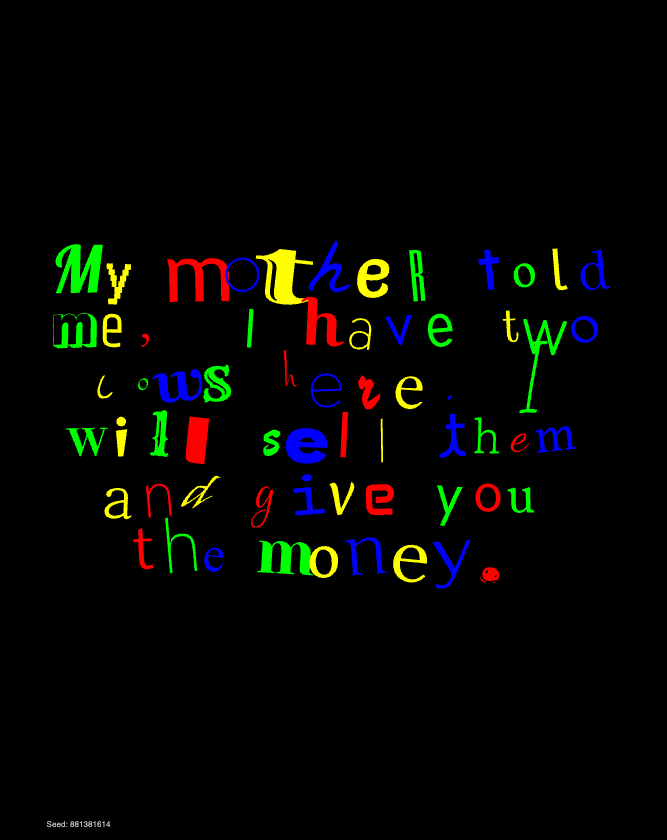
“I have two cows here,” he remembers her saying. “I will sell them and give you the money.”
That sacrifice made the journey possible. It also stayed with him through everything that followed.
From Senegal, he travelled through Mali, Burkina Faso and Niger. He reached Agadez, a city he describes as the gateway to the desert. There, passengers and supplies were loaded onto a pickup truck for the crossing toward Libya.
The desert journey lasted several days. There were no trees and little protection from the sun. Eventually, the water ran out.
He remembers people collapsing. There was no hospital, no help nearby and no way to carry everyone. Those who fell were moved aside, and the vehicle continued.
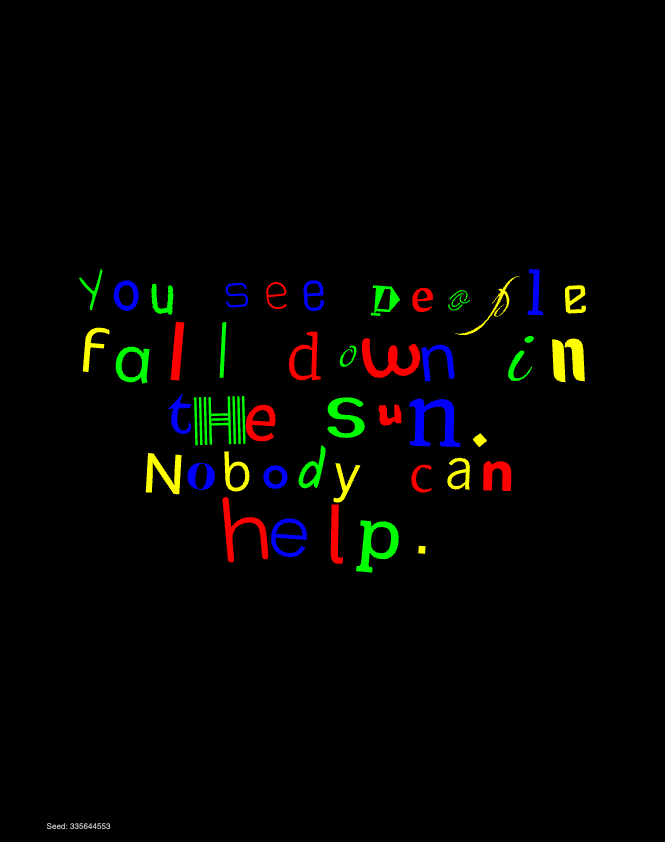
“You see people fall down in the sun,” he says. “Nobody can help.”
He began to believe he would not survive. In that moment, he thought about his mother and the money she had given him. The determination that had pushed him out of Gambia was replaced by regret.
“I was always praying, ‘God, please, can you carry me and take me back home?’”
He survived the desert and reached Libya, where he spent time recovering before travelling to Tripoli. There, he waited several weeks for a boat to fill. Around 150 people were preparing to cross the Mediterranean.
On the boat, he was given responsibility for the compass. He also spoke with rescuers by phone, trying to explain where they were. At first, they were told to continue travelling.
An older passenger advised him to turn the phone toward the people aboard so the rescuers could hear the fear and urgency for themselves. He told them there were women and children on the boat and that people were in danger.
Soon afterwards, a rescue ship appeared.
As smaller boats began transferring passengers, he threw the compass and other navigational material into the water. He had been warned that the captain or navigator could be arrested if identified.
“I was the compass man,” he says.
The phrase is simple, but it carries the weight of the crossing. As a teenager, he had become responsible for direction at a moment when nobody on the boat could be certain what would happen next.
He arrived in Palermo exhausted and severely dehydrated. He was taken to hospital and remained there for about a month. Later, he moved to Rome, studied in Italian and gradually built a life. He reunited with his older brother and formed friendships that still draw him back to Italy today.
But reaching Europe did not bring an end to uncertainty.
He later sought asylum in the Netherlands. Nearly four years on, he is still waiting for a final decision. He has been moved between locations and is officially connected to asylum accommodation in Breda. He says the rooms can be crowded, with four people, bunk beds and little space. He often stays with friends instead, while continuing to return for required check-ins.
He has applied for work and waits for the necessary permit. He has studied human rights, completed a certificate and hopes to continue toward a bachelor’s degree.
His favourite Dutch city is Rotterdam. It is where he imagines building a future and where he hopes one day to invest in property.
Property Investment, for him, is not only about money. Property means something stable: a place that cannot suddenly be reassigned, transferred or taken out of his control.
After years of crossing borders and living in temporary spaces, he dreams of owning a house, and then perhaps another. He wants to build a business, support a small family and see his parents again.
Once, in the Mediterranean, he held a compass and helped guide a boat toward rescue. Today, he is waiting for the freedom to choose the cardinal directions for the rest of his own life.